
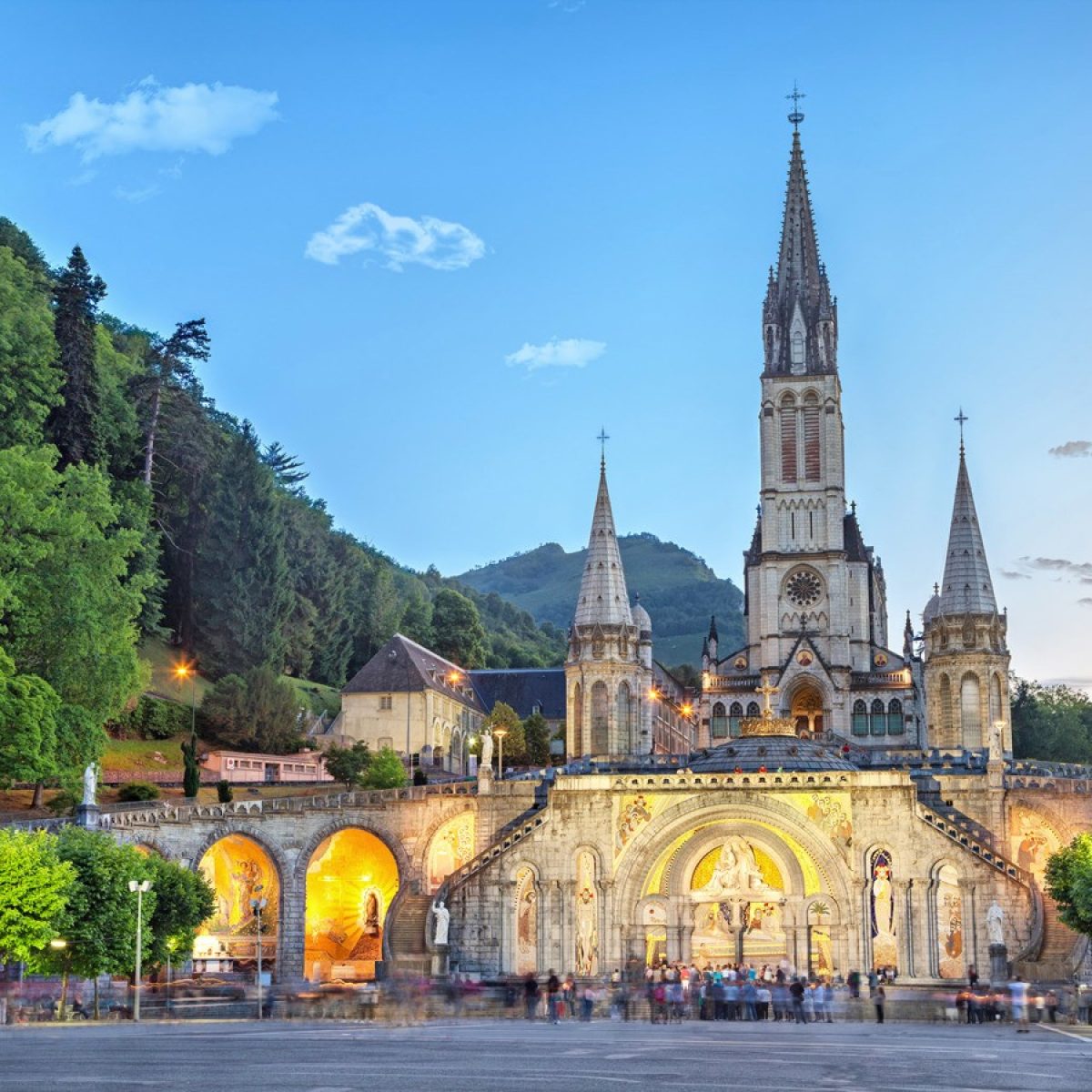
Marian pilgrimage in France is far from a niche activity. It represents one of the strongest pillars of Christian pilgrimage in Europe. Every year, groups from around the world seek a Marian pilgrimage in France that is not merely a sequence of visits, but a coherent spiritual journey—one that brings together prayer, liturgy, Church history, inner conversion, and communal faith.
What is often referred to as a “Marian tour” is, in reality, a deeply structured spiritual experience centered on the great places dedicated to Our Lady: apparition shrines, basilicas, cathedrals, places of grace, and routes shaped by saints and witnesses of faith.
France holds a rare and unique position in this regard. It offers both universally renowned Marian sanctuaries, such as Lourdes, and lesser-known yet profoundly moving places like Pontmain or Pellevoisin.
These sites are connected by a geography that makes it possible to design a complete Marian pilgrimage route in France, stretching from north to south, from the Atlantic coast to the Alps. Together, they form an exceptional spiritual landscape, ideal for building meaningful Marian pilgrimage itineraries.
A successful Our Lady pilgrimage in France is not simply about “seeing places.” It is about connecting events, devotions, living traditions, and spiritual messages. Several Marian shrines naturally structure the great pilgrimage routes across France.
Finally, the Chapel of Our Lady of the Miraculous Medal on Rue du Bac in Paris remains a place of continuous prayer and remarkable spiritual density, drawing pilgrims from all over the world.
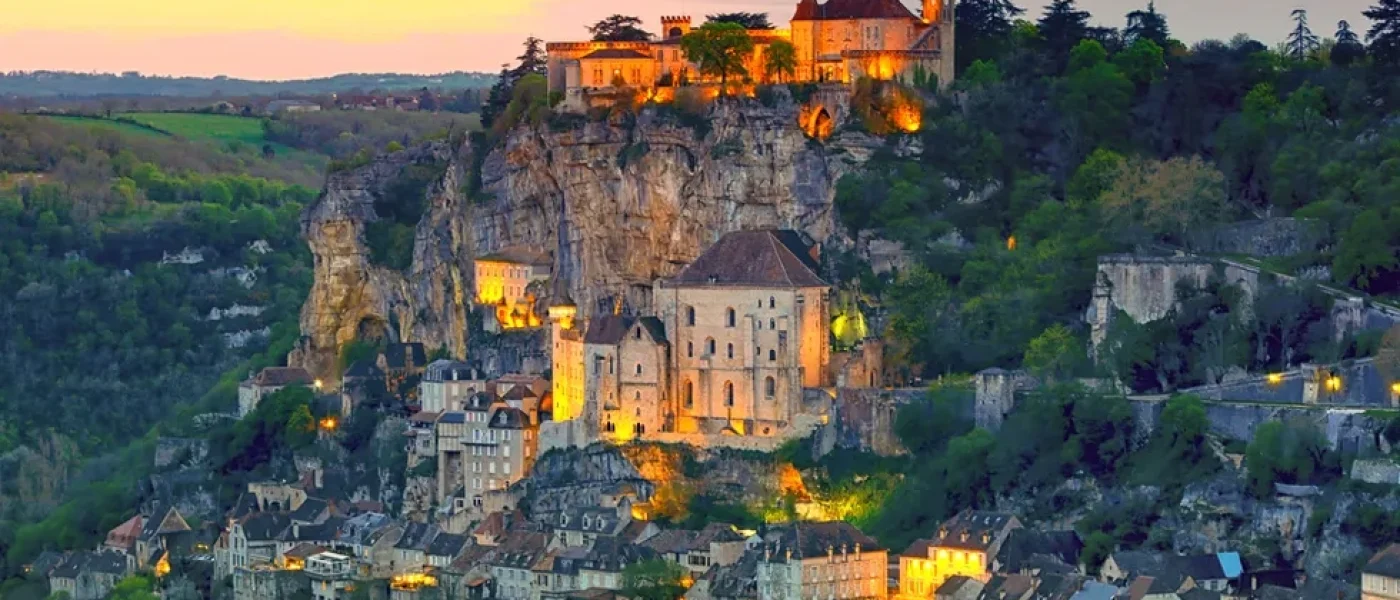
The Great Marian Pilgrimage Route in France connects these sanctuaries into a progressive itinerary, usually designed over 14 to 16 days. It often begins in Paris, the natural gateway for international groups.
This opening stage includes Rue du Bac, Notre-Dame Cathedral when access is possible, Our Lady of Victories, and the Basilica of the Sacred Heart, before extending naturally to Chartres.
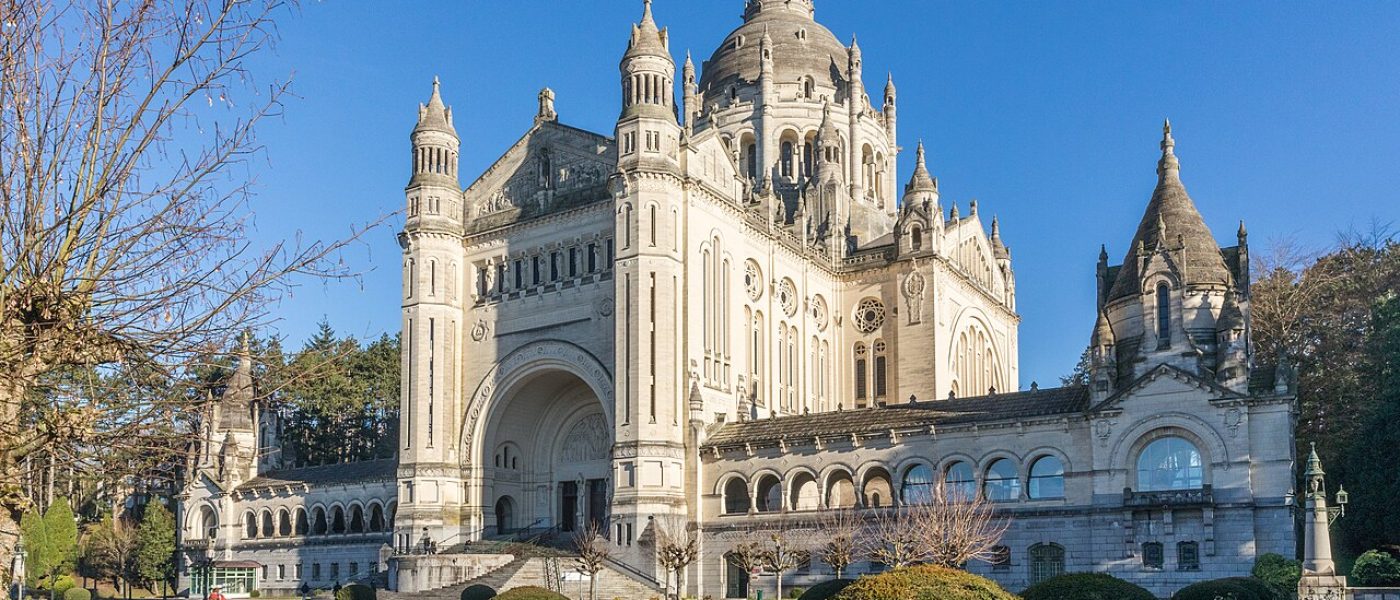
The journey then continues toward Normandy, with stops in Lisieux, Pontmain, and Mont-Saint-Michel. Although Lisieux is primarily associated with Saint Thérèse, it contributes an essential dimension of spiritual simplicity and rootedness.
Pontmain introduces the theme of hope, while Mont-Saint-Michel invites pilgrims into contemplation and interior elevation through beauty, history, and prayer.
The route then moves westward to Brittany, with Sainte-Anne-d’Auray, linked to apparitions of Saint Anne, the mother of the Virgin Mary. This stop reinforces Marian spirituality in a broader sense, emphasizing faith as something handed down, embodied, and lived within spiritual lineage.
Saint-Laurent-sur-Sèvre, associated with Saint Louis-Marie Grignion de Montfort, deepens this Marian dimension through missionary spirituality and consecration.
Central France allows for the inclusion of Pellevoisin and Rocamadour, before heading southwest to Lourdes, the Marian heart of the nation. For many pilgrims, Lourdes represents the summit of the journey, with its celebrations, processions, and powerful moments of communal prayer.
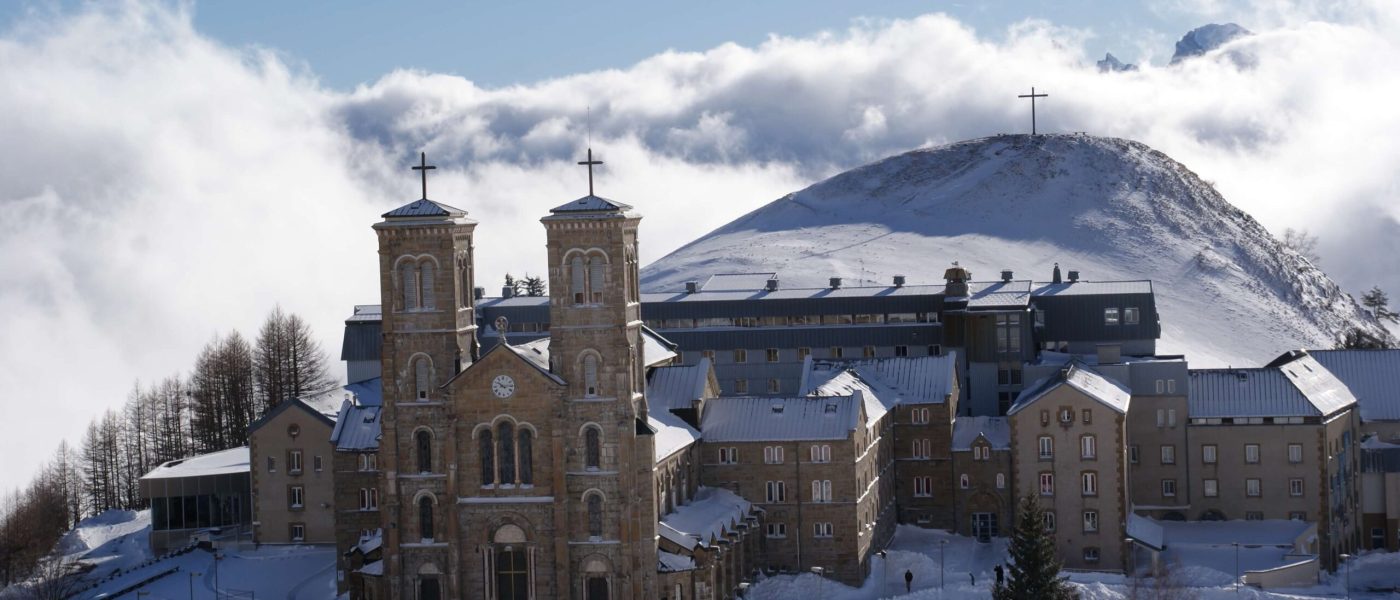
The pilgrimage then proceeds to Provence and the Alps, with Avignon, Cotignac, and La Salette. Cotignac has become one of the most sought-after Marian destinations in southern France, while La Salette offers a profound experience of silence and conversion.
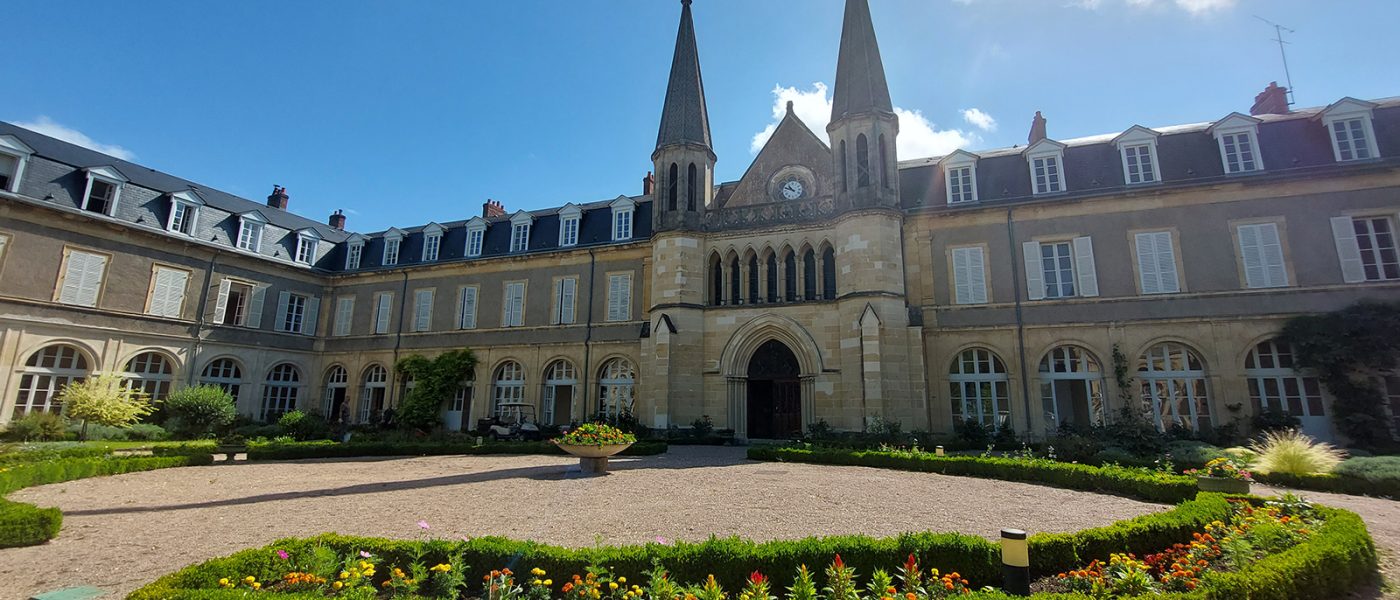
The return journey passes through the “France of Saints”, including Lyon, Ars-sur-Formans, Paray-le-Monial, and Nevers. Nevers, where Saint Bernadette lived her hidden religious life and where her incorrupt body rests, provides a spiritually coherent conclusion by reconnecting Lourdes with the saint’s life of humility and service.
Not all pilgrims have the same amount of time. For this reason, Marian pilgrimage tourism in France is also structured around shorter formats that are highly sought after.
A 5- to 7-day Marian pilgrimage route often focuses on the Southwest, combining Rocamadour and Lourdes for a journey centered on prayer, processions, and Marian devotion.
A 7- to 9-day route, concentrated in the North and West, links Paris, Chartres, Pontmain, Mont-Saint-Michel, and Sainte-Anne-d’Auray, offering a structured introduction to France’s major Marian sanctuaries.
A 10- to 12-day route, in Provence and the Alps, brings together Avignon, Cotignac, La Salette, and Lyon, blending Marian spirituality with landscapes that naturally foster recollection and silence.
A successful Marian pilgrimage in France often depends on details: coherent sequencing of sites, respect for liturgical rhythms, appropriate pacing for groups, quality guided visits, and effective management of long travel distances across the country.
Above all, it requires preserving the spiritual intention of the pilgrimage and avoiding a rushed or purely touristic experience.
A specialized receptive approach allows these routes to be shaped as authentic pilgrimages, balancing prayer, teaching, visits, and moments of rest.
This is the vision embraced by EXOD Agency, which accompanies international groups seeking to experience a Marian pilgrimage in France that remains faithful to its spiritual vocation.
Marian pilgrimage in France remains one of the most sought-after forms of spiritual travel, as it responds to a deep human longing: to pray, to refocus, to walk together, and to become part of a living memory of faith.
France offers an extraordinary network of Marian shrines—from Lourdes to Pontmain, from Rocamadour to La Salette, from Rue du Bac to Chartres—enhanced by complementary sites that give the journey unique depth and coherence.
For groups and Christian organizations, these Marian pilgrimage routes represent far more than travel. They become foundational spiritual experiences, capable of leaving a lasting mark on both personal faith and communal life.
To further explore Christian travel and spiritual journeys in France, we recommend reading the following articles:
What are the main Marian shrines in France?
The most frequently visited include Lourdes, Pontmain, Rocamadour, La Salette, Chartres, Rue du Bac in Paris, Cotignac, and Sainte-Anne-d’Auray.
Which Marian route is best for a first pilgrimage?
Many first-time pilgrims choose a Rocamadour–Lourdes route or a Paris–Chartres–Pontmain itinerary.
How many days are needed for a complete Marian pilgrimage in France?
A comprehensive nationwide Marian pilgrimage typically requires 14 to 16 days.
Can Marian pilgrimage routes be combined with other Christian sites?
Yes. Many itineraries combine Marian shrines with major Christian landmarks such as Mont-Saint-Michel, Ars, or Paray-le-Monial.