
Catholic school trips to France are part of a long-standing educational tradition. For decades, Catholic schools, faith-based academies, and Christian educational institutions have organized international study trips that allow students to explore the historical roots of Christianity in Europe.
These programs are far more than standard school excursions. A Catholic educational tour in France offers students the opportunity to connect academic learning with real historical and spiritual landmarks. Churches, monasteries, and pilgrimage sites become open classrooms where students can understand the development of European civilization.
Within Catholic education, travel has always played a formative role. A Catholic school trip allows students to encounter sacred art, discover Christian architecture, and learn about the lives of saints who shaped the Church’s history.
France occupies a central place in this context. The country contains one of the highest concentrations of Catholic sanctuaries, pilgrimage destinations, and historic cathedrals in the world. This unique heritage allows schools to design educational Catholic tours combining history, culture, and spiritual discovery.
For Catholic schools around the world, organizing a Catholic school trip to France therefore represents an exceptional opportunity to bring the Christian heritage of Europe to life.
Planning a Catholic school trip to France offers numerous educational benefits. The country’s Christian heritage spans more than fifteen centuries and provides an ideal setting for academic exploration.
Students can directly observe the evolution of Christian architecture through Romanesque basilicas, Gothic cathedrals, medieval abbeys, and historic monasteries. Each monument becomes a teaching resource that illustrates the development of European history and the role of Christianity in shaping culture.
France also provides a powerful context for understanding the tradition of Christian pilgrimage. For centuries, pilgrims from across Europe traveled to sacred destinations seeking spiritual renewal. This tradition continues today and offers students a tangible way to explore the meaning of pilgrimage within the Catholic tradition.
A Catholic educational tour in France can also integrate multiple academic disciplines. Teachers can connect visits with lessons on medieval history, theology, religious art, European culture, and the development of Christian institutions.
In addition, France offers a highly developed tourism infrastructure capable of welcoming large student groups. Transportation networks, accommodation facilities, and cultural institutions make it possible to organize structured and secure Catholic school tours in France.
A Catholic school trip to France becomes especially meaningful when it includes visits to the country’s most significant pilgrimage destinations. These sites combine historical importance with spiritual depth and provide powerful learning environments for students.
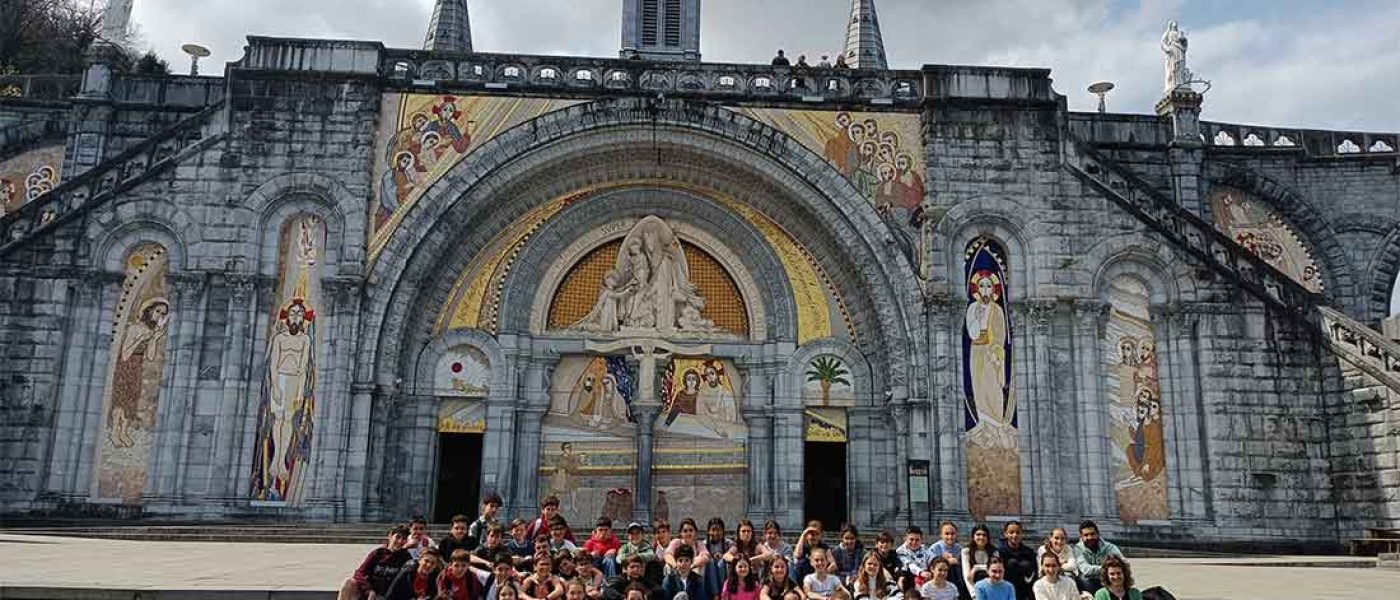
Among them, Lourdes holds a unique place in the Catholic world. The Marian apparitions reported by Bernadette Soubirous in 1858 transformed the town into one of the most visited Catholic pilgrimage destinations worldwide. For students, visiting Lourdes provides insight into Marian devotion, contemporary pilgrimage traditions, and the role of faith in modern society.
Lisieux is another essential destination. The town is closely associated with Saint Thérèse of Lisieux, one of the most influential saints of modern Catholic spirituality. The Basilica of Saint Thérèse attracts pilgrims from across the globe and offers students an opportunity to discover the spirituality of simplicity, humility, and trust.
The Cathedral of Chartres represents one of the greatest masterpieces of Gothic architecture. Its stained glass windows, structural design, and theological symbolism make it an exceptional site for students studying medieval Christianity and sacred art.
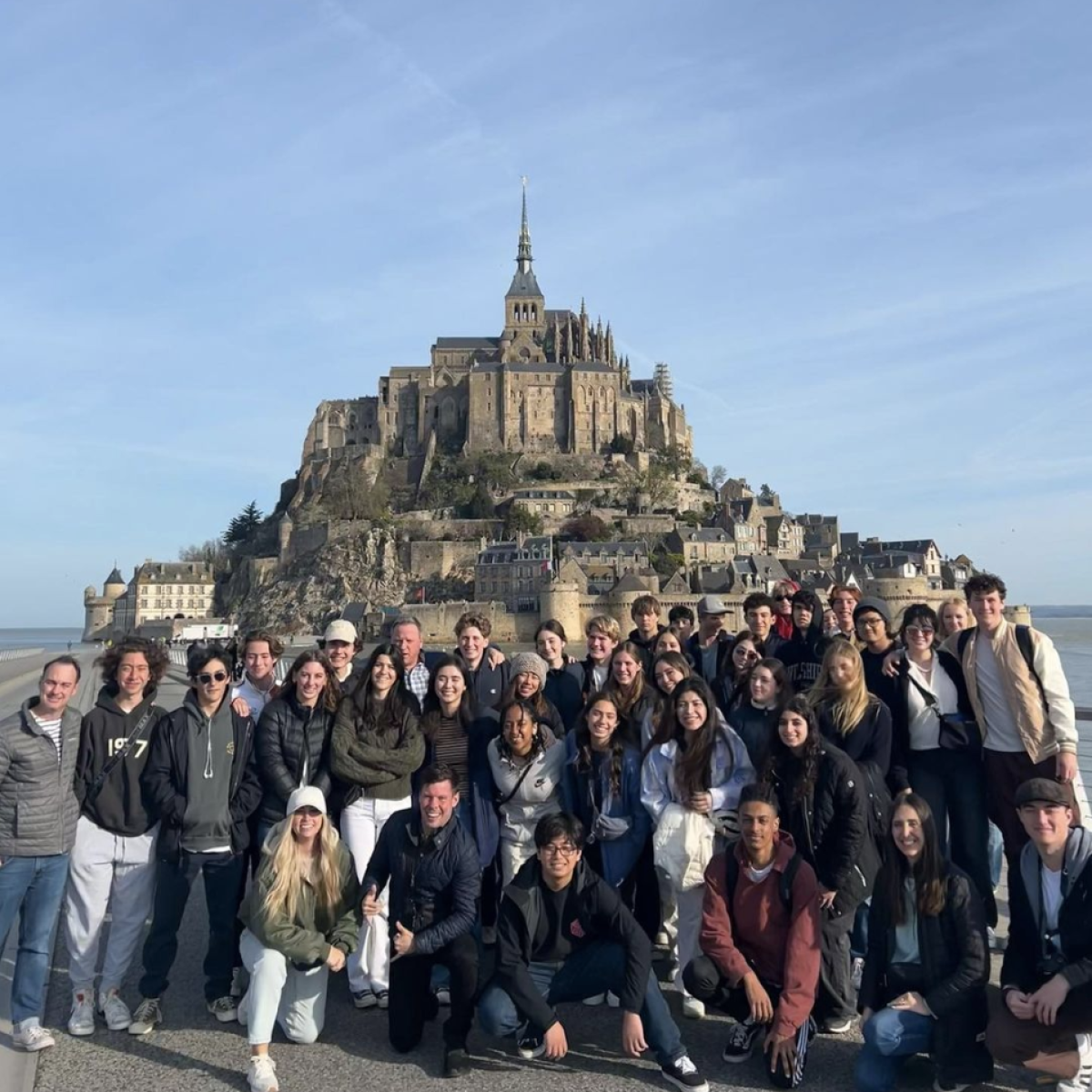
Another iconic destination is Mont-Saint-Michel, a spectacular abbey built on a rocky island off the Normandy coast. This remarkable site illustrates the relationship between faith, architecture, and medieval power structures.
Other important pilgrimage sites include Paray-le-Monial, associated with the devotion to the Sacred Heart, and Rocamadour, one of the most famous Marian sanctuaries in medieval Europe.
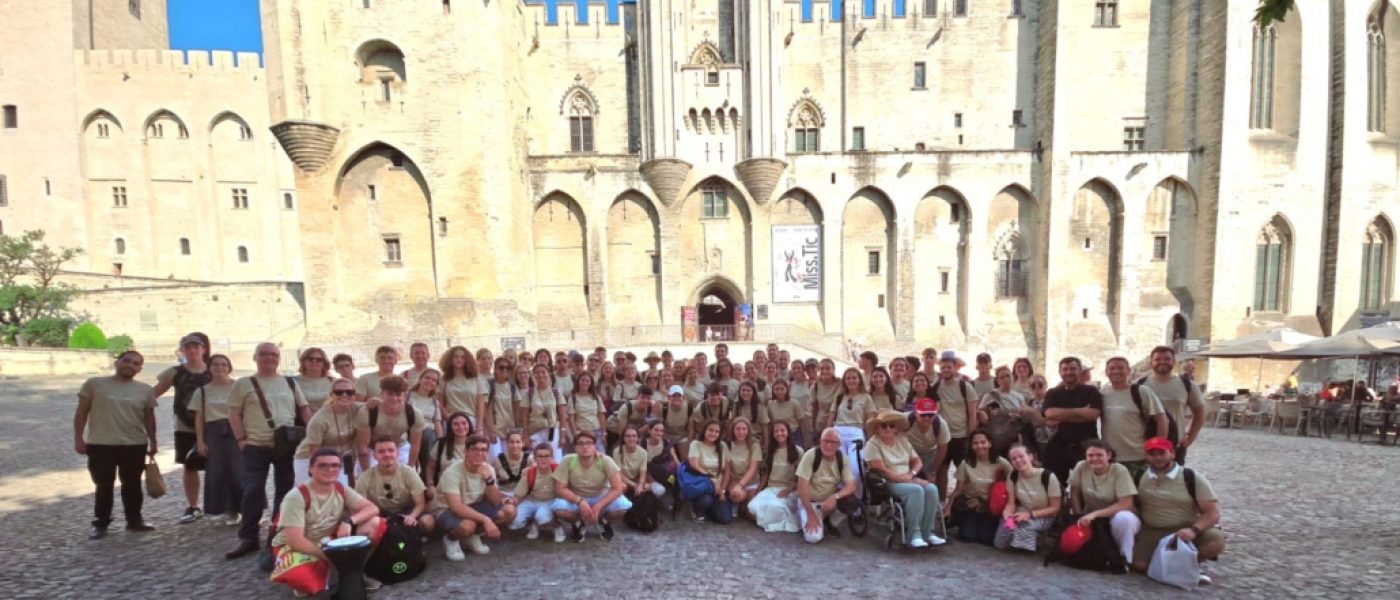
The Catholic heritage of France provides an exceptionally rich educational resource. Every sanctuary, cathedral, and monastery tells a part of the story of European civilization.
For students, these visits bring historical lessons to life. A Catholic school trip to France allows them to experience directly the places where key events of Christian history unfolded.
The study of sacred architecture becomes more meaningful when students stand inside a Gothic cathedral. Theological concepts become easier to understand when they are connected to real historical contexts.
A Catholic educational tour also encourages personal reflection. Students encounter spaces that have been shaped by centuries of prayer, devotion, and spiritual commitment. These experiences can lead to deeper conversations about faith, culture, and identity.
Group travel further strengthens the educational impact. Shared discussions, guided visits, and collaborative exploration create an engaging learning environment in which students become active participants rather than passive observers.
France’s geographical diversity also enriches the experience. Mountain sanctuaries, historic villages, and major cities provide varied contexts that stimulate curiosity and discovery.
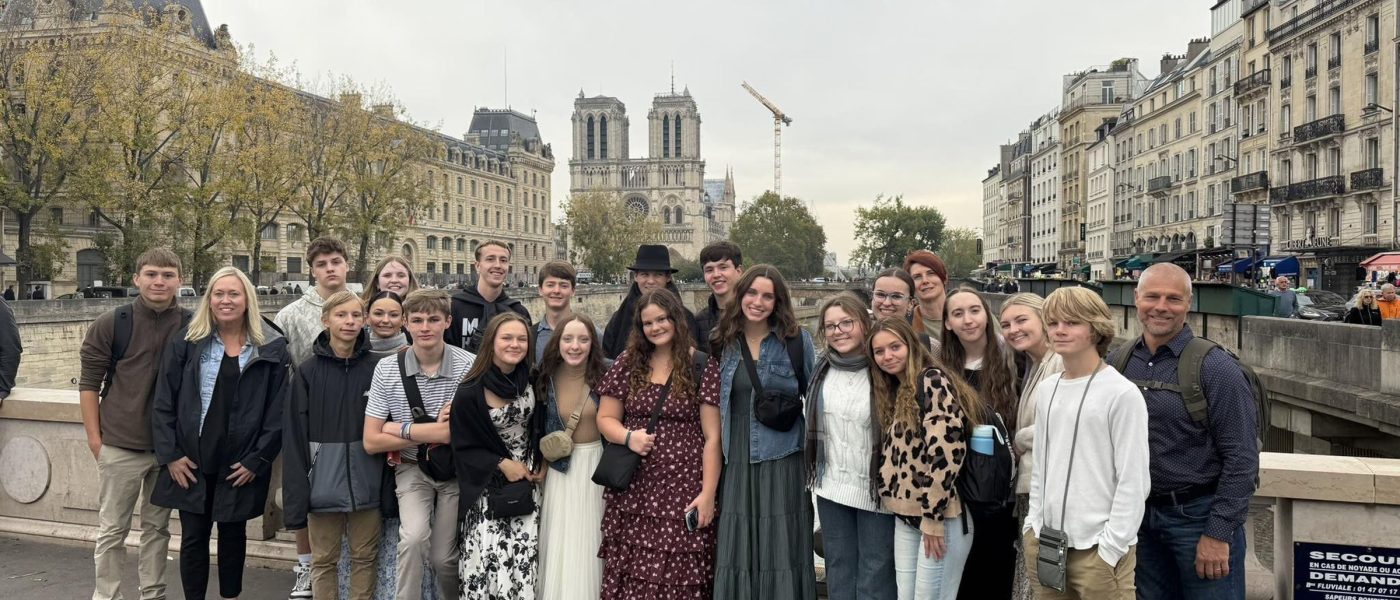
Organizing a Catholic school trip to France requires careful planning. Student groups must travel safely while following structured educational schedules.
This is where a Destination Management Company (DMC) becomes particularly valuable. A DMC specializing in Christian travel possesses in-depth knowledge of pilgrimage sites, group logistics, and educational tour coordination.
A DMC specialized in Catholic tours in France can coordinate sanctuary visits, arrange group transportation, and organize educational activities adapted to student groups.
Major pilgrimage destinations such as Lourdes or Lisieux receive thousands of visitors each year. Managing group access, scheduling guided visits, and integrating spiritual activities into an itinerary requires precise organization.
A well-structured Catholic school tour in France therefore relies on the combination of cultural expertise, logistical coordination, and educational planning.
The success of a Catholic school trip to France depends on building a coherent itinerary. The objective is not simply to visit many destinations, but to create a journey that allows students to understand Christian history progressively.
Some educational programs focus on Marian pilgrimage sites, linking Lourdes, Rocamadour, and other Marian sanctuaries. Other itineraries explore the lives of French saints, connecting Lisieux, Ars-sur-Formans, and Paray-le-Monial.
Another approach centers on the tradition of pilgrimage routes, integrating Le Puy-en-Velay and the Way of St. James.
A typical Catholic school tour in France lasts between seven and ten days, allowing students to discover multiple destinations while maintaining a balanced schedule.
Well-planned itineraries combine historical learning, cultural exploration, and moments of reflection. In this way, the journey becomes an extension of the academic curriculum rather than simply an international excursion.
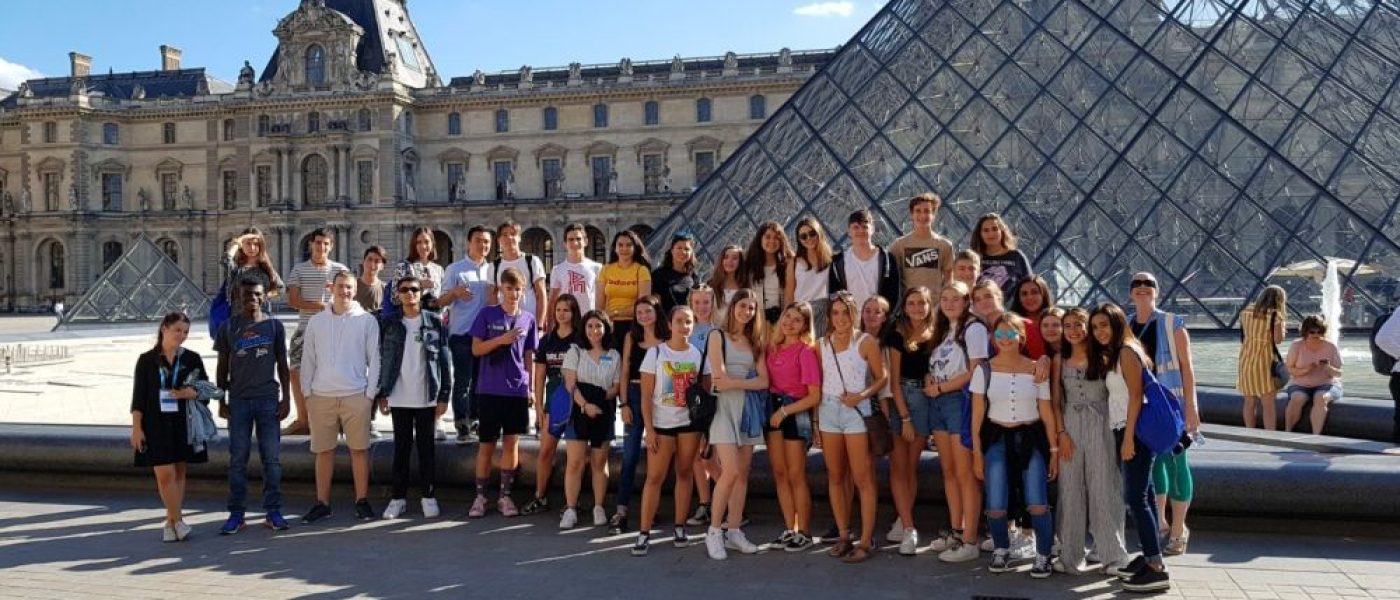
One of the most meaningful aspects of Catholic school trips to France is the collective experience shared by students.
Traveling together encourages collaboration, friendship, and personal growth. Students develop independence while learning to support one another in unfamiliar environments.
Visits to pilgrimage sites often invite moments of reflection and discussion. Even students who are not actively practicing their faith can appreciate the historical and cultural significance of these locations.
Through these shared experiences, a Catholic school tour in France often becomes a formative moment in students’ educational journeys.
If you are exploring the possibility of organizing a Catholic school trip to France, the following resources may help you structure your program:
These resources provide deeper insight into the Christian heritage landscape of France and the many possibilities for educational travel programs.
Catholic school trips to France represent far more than ordinary student travel. They provide a powerful opportunity for students to discover the spiritual and cultural heritage that shaped Europe.
France offers an extraordinary concentration of Catholic pilgrimage sites, historic cathedrals, and sacred landmarks. Destinations such as Lourdes, Lisieux, Chartres, and Mont-Saint-Michel allow students to explore the intersection of faith, history, and culture.
When carefully organized, these educational tours combine academic learning, cultural exploration, and shared experiences that leave a lasting impact on students.
A well-designed Catholic school trip to France can therefore become one of the most meaningful educational experiences in a student’s academic journey.
A Catholic school trip is an educational travel program organized by Catholic schools or faith-based institutions. It combines cultural exploration with the discovery of Christian heritage and spiritual traditions.
France offers an exceptional concentration of Catholic pilgrimage sites and historic Christian landmarks, including Lourdes, Lisieux, Chartres, and Mont-Saint-Michel.
Popular destinations include Lourdes, Lisieux, Chartres, Rocamadour, Paray-le-Monial, and Mont-Saint-Michel.
Most Catholic school trips to France last between seven and ten days, allowing students to visit several key destinations.
Working with a DMC specialized in Catholic travel helps ensure proper logistics, local coordination, and structured educational programming.