
The Lands of the Reformation in Alsace tour shows, over thirteen days, how the Reformation took root in the lands of the Rhine: in Strasbourg with Martin Bucer, Matthew and Katharina Zell and the young John Calvin, then in Wissembourg, in Pastor Oberlin’s Ban de la Roche, in Colmar and all the way to Montbéliard, the Lutheran town of the Dukes of Württemberg.
This guide is written first for travel agencies and tour operators working with Lutheran, Reformed and evangelical groups. We build the journey behind the scenes, and your brand stays on every document.
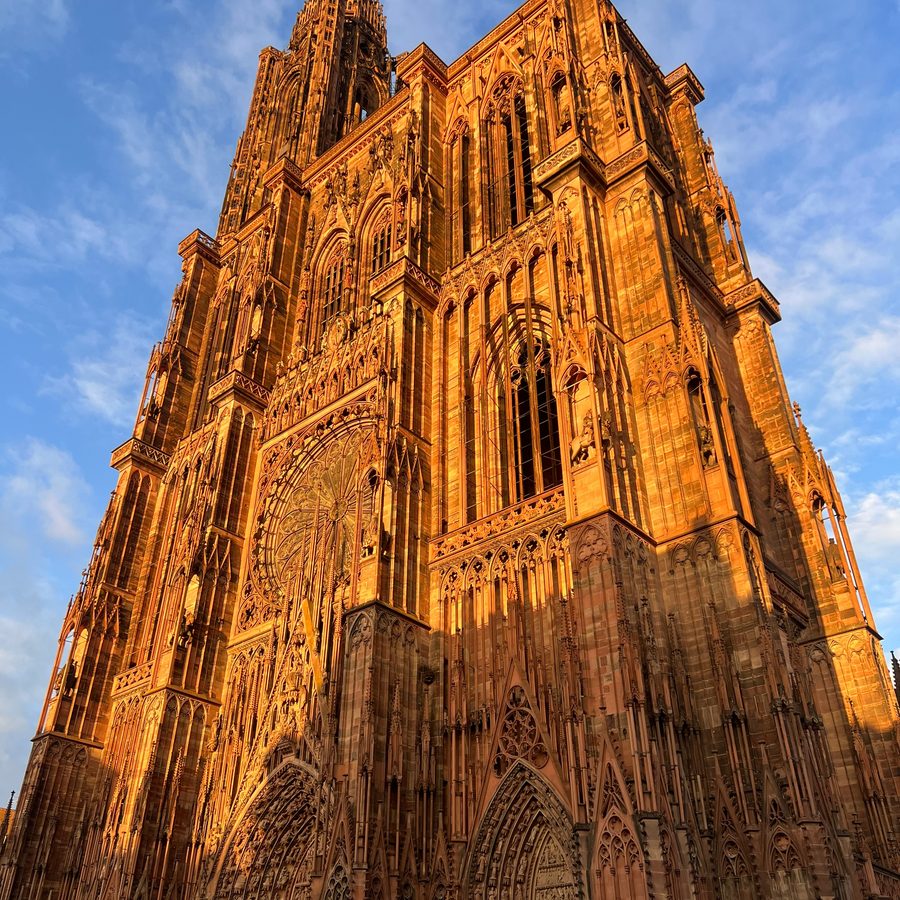
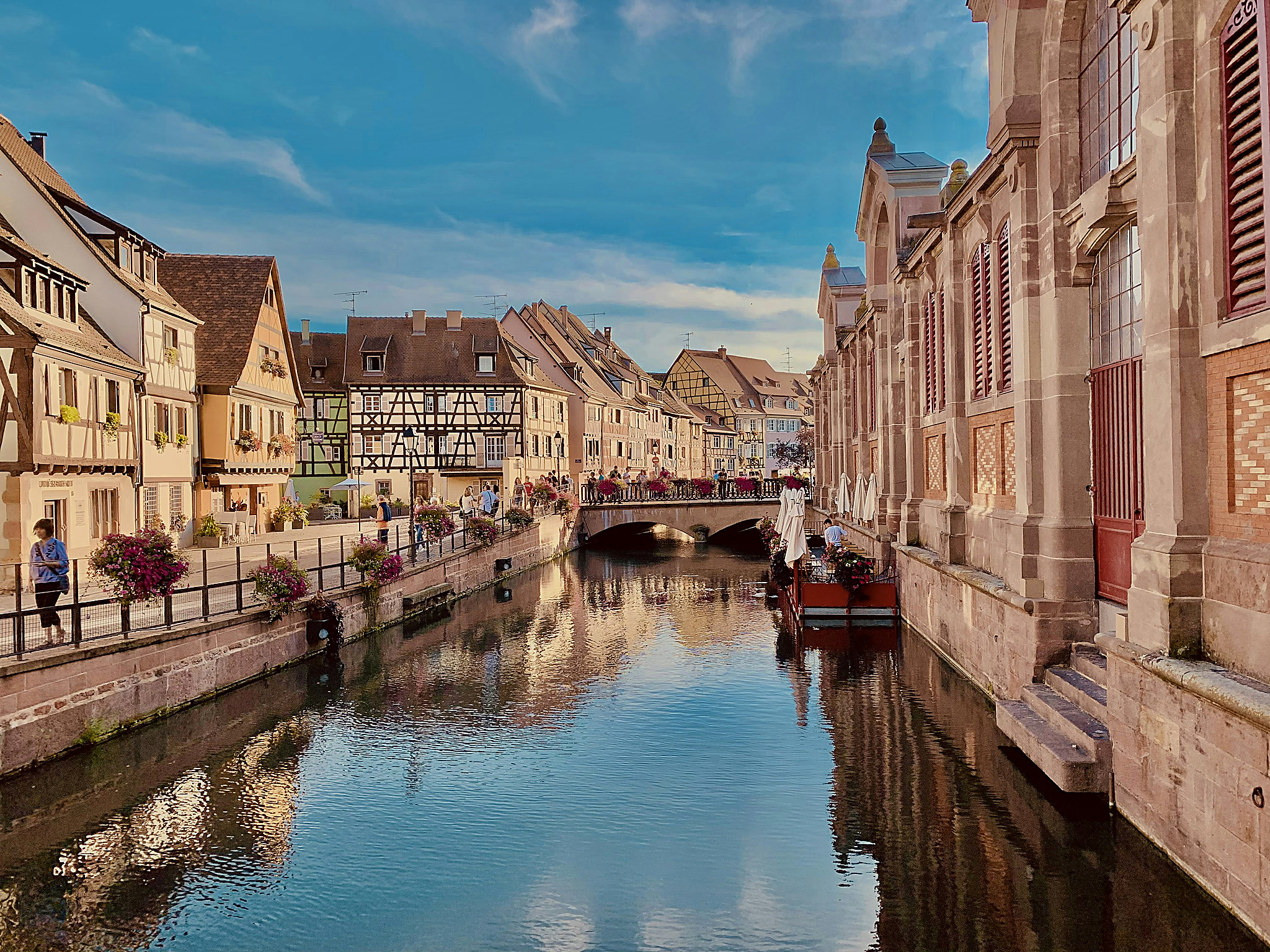
Luther’s Germany is well known. What is far less known is that Strasbourg was one of the great laboratories of the Reformation, where French and German history meet.
Why Strasbourg matters in the history of the Reformation
Strasbourg had printers, money and a tradition of independence. Gutenberg had worked there from about 1434 to 1444, and in the 1520s the city’s presses helped spread the writings of the Reformation.
The movement began with a pulpit. In 1522, Matthew Zell was barred from the cathedral’s stone pulpit: the city’s carpenters built him a wooden one that could be carried in. His wife Katharina Zell became a figure in her own right, writing hymns, speaking in public and helping refugees.
Martin Bucer arrived in May 1523. He had heard Luther defend his ideas in Heidelberg in 1518, and he became the leading mind of the Strasbourg Reformation. In 1529, the city council voted to end the Mass and, in 1530, Strasbourg presented its own confession of faith, the Tetrapolitan Confession.
Bucer was also a man of unity. His talks with Luther led to the Wittenberg Concord of 1536. And from 1538 to 1541, Calvin, in exile, taught in Strasbourg while serving the parish of French refugees.
Reformation sites in Strasbourg
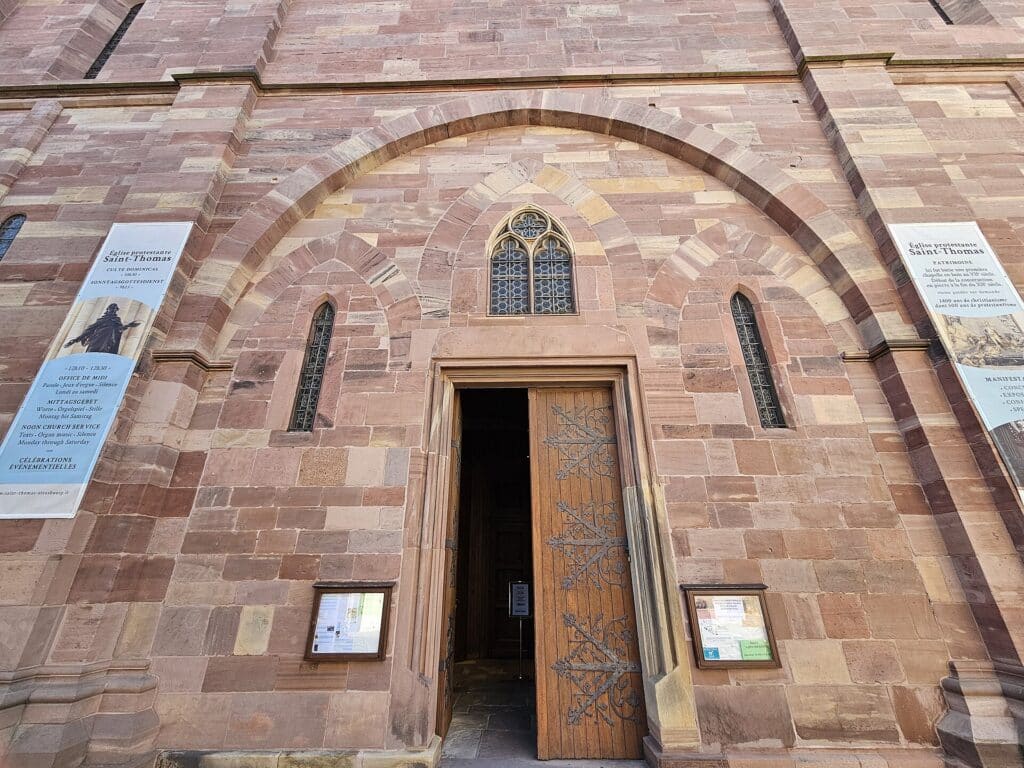
Saint-Thomas Church. The city’s main Lutheran church, where Bucer preached from 1531 to 1540. Its 1741 Silbermann organ was played by Mozart in 1778, then by Albert Schweitzer, and Pigalle’s mausoleum of the Maréchal de Saxe surprises most visitors.
Saint-Pierre-le-Jeune. A Reformed parish from 1524, whose first pastor was Capito, also known for its medieval murals.
The cathedral. The story of Zell and the carpenters’ pulpit gives new meaning to a familiar monument, completed by the Œuvre Notre-Dame Museum and the canals of La Petite France.
The route of the Lands of the Reformation tour, from Lorraine to Montbéliard
Metz. The journey begins in Lorraine, with Saint-Étienne Cathedral and its immense stained-glass windows, then the Temple Neuf on the banks of the Moselle.
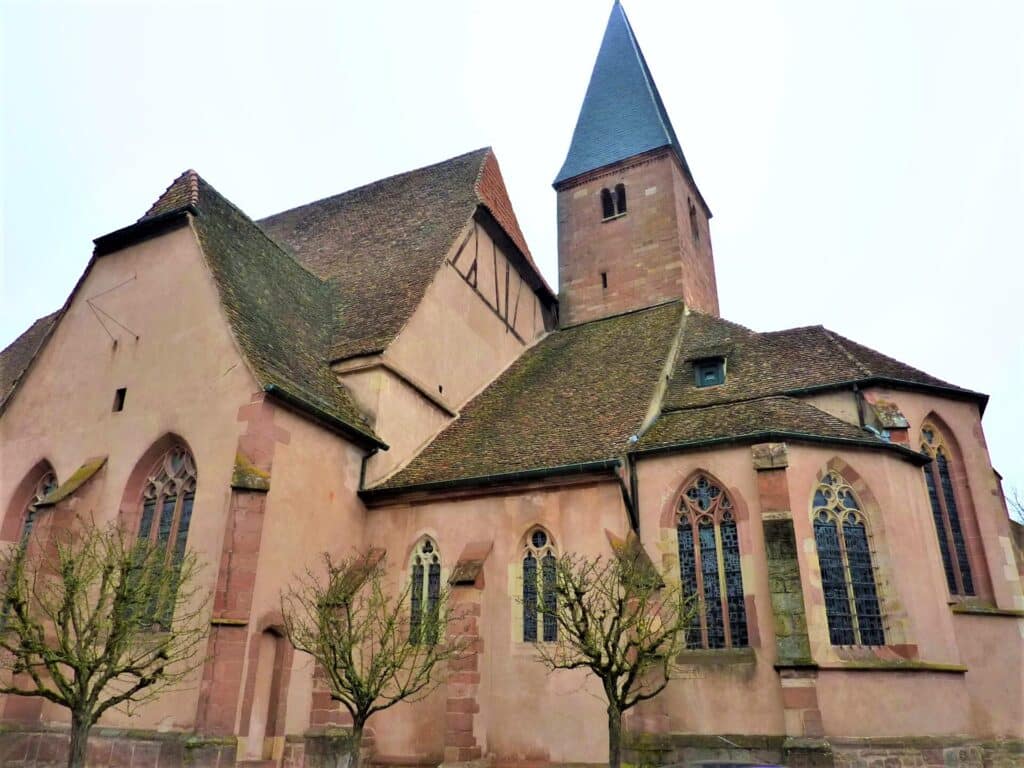
Wissembourg and Bouxwiller. Bucer preached at Saint-Jean Church in Wissembourg from late 1522 to spring 1523, before leaving for Strasbourg. In Bouxwiller, the Hanau Country Museum tells the life of this old Protestant land.
Waldersbach. In the Ban de la Roche, the Jean-Frédéric Oberlin Museum honors the pastor who transformed life in this Vosges valley through schooling and mutual aid.
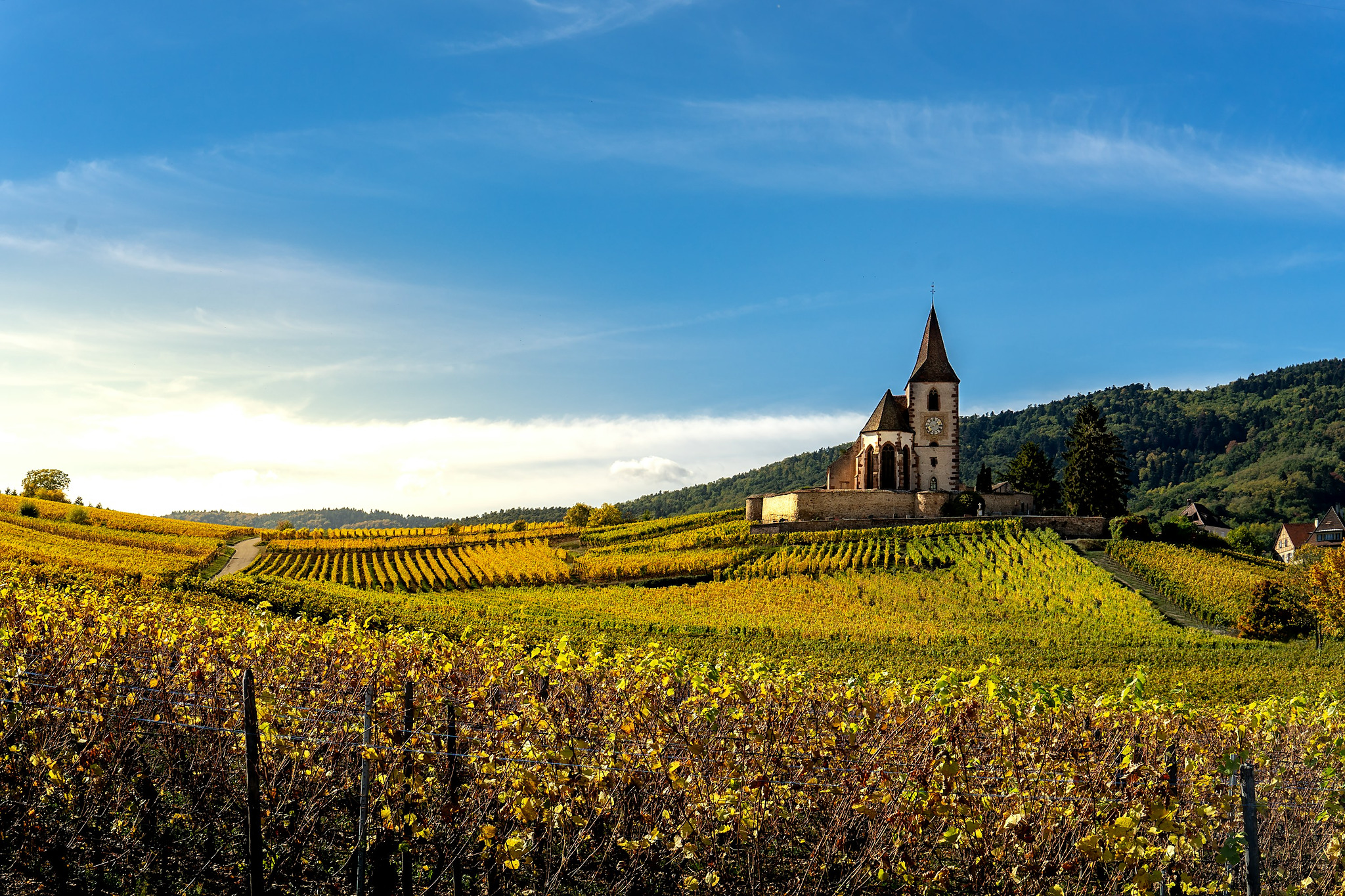
Colmar and Riquewihr. The Isenheim Altarpiece at the Unterlinden Museum, the Protestant church of Saint-Matthieu and Little Venice, then the fortified village of Riquewihr and a family wine estate.
Mulhouse and Montbéliard. Mulhouse, a former republic allied with the Swiss cantons that embraced the Reformation, keeps the Protestant church of Saint-Étienne and its Museum of Printed Textiles. In Montbéliard, once the land of the Dukes of Württemberg, Saint-Martin’s church is among the oldest Lutheran churches in France.
The 13-day program of the Lands of the Reformation in Alsace tour
- D1ParisWelcome by your tour leader, welcome dinner
- D2MetzSaint-Étienne Cathedral, Temple Neuf
- D3MetzCour d’Or Museum, Lorraine tasting
- D4StrasbourgSaint-Thomas and its Silbermann organ, the cathedral, La Petite France
- D5StrasbourgSaint-Pierre-le-Jeune, Œuvre Notre-Dame Museum, Alsatian dinner
- D6Wissembourg, BouxwillerSaint-Jean, Hanau Country Museum
- D7Waldersbach, ColmarOberlin Museum, across the Vosges
- D8ColmarIsenheim Altarpiece, Saint-Matthieu, Little Venice
- D9RiquewihrDolder gate, family wine estate and tasting
- D10Mulhouse, MontbéliardSaint-Étienne’s church, Museum of Printed Textiles
- D11MontbéliardSaint-Martin’s church, Château des Ducs de Wurtemberg
- D12Troyes, ParisHalf-timbered old town, farewell dinner in Paris
- D13DepartureTransfer to Paris-Charles de Gaulle airport
This is the program of our Lands of the Reformation in Alsace tour, whose page offers a white-label brochure. To follow Calvin all the way to Geneva, see our In the Footsteps of John Calvin tour, which also goes through Strasbourg.
Lands of the Reformation in Alsace · 13 days · the Reformation in Alsace and Lorraine.
The Protestant Reformation in France · 15 days · the story of French Protestants and freedom of conscience.
In the Footsteps of John Calvin · 11 days · the life of the reformer, from Noyon to Geneva.
For the level of service, discover our exceptional addresses: Hotels, Gastronomy and Art of Living.
For agencies: selling the Lands of the Reformation in Alsace tour
Length. Thirteen days, starting and ending in Paris.
Best seasons. April to June and September to October. Strasbourg hotels fill up during the Christmas market and European Parliament sessions: we check those dates first.
Accommodation. Four- and five-star hotels, close to the Grande Île in Strasbourg.
Group time. Lectures in a quiet room, teaching by an academic or a pastor, Sunday worship in a local parish.
Our share of the work. Hotels, coach, licensed guides, lecture rooms and a tour leader included as standard. See our Protestant and Evangelical Groups page.
Frequently asked questions about the Lands of the Reformation in Alsace tour
Is Strasbourg really a city of the Reformation?
Yes. Bucer, Capito, the Zells and Calvin all worked there, and the city ended the Mass in 1529.
How many days does the Lands of the Reformation in Alsace tour last?
Thirteen days, from Paris back to Paris, by way of Metz, Strasbourg, Wissembourg, the Ban de la Roche, Colmar, Riquewihr, Mulhouse, Montbéliard and Troyes.
Why does the tour go through Metz and Montbéliard?
Metz opens the journey in Lorraine, a land long tied to the Holy Roman Empire. Montbéliard, once the land of the Dukes of Württemberg, remained one of the great Lutheran centers of France.
Does the tour suit lovers of sacred music?
Yes. The Silbermann organ of Saint-Thomas, played by Mozart and Albert Schweitzer, is one of the highlights of the journey.
Can Sunday worship be arranged in Strasbourg?
Yes. Strasbourg has Lutheran and Reformed parishes, as well as English-speaking congregations. Our guide to Sunday worship in France presents the options.