
To organize a Christian group trip to France, an agency needs five things in the right order: a precise brief, a storyline, a realistic rhythm, a clear level of service and a reliable partner on the ground.
This guide speaks first to travel agencies and tour operators who sell to church groups, ministries and Christian universities. It follows the way we work at EXOD Agency, a receptive agency that designs and operates these journeys for agencies, under their brand.
The groups we have in mind are demanding ones: people who want to understand what they see, travel in comfort and come home changed by the experience.
Step 1: Write a precise brief for your Christian group
Everything depends on this page. Before thinking about hotels, answer these questions with your client.
Who is traveling? Denomination, age, mobility, first trip to Europe or not, and whether the group already knows each other.
Why are they coming? History, worship, teaching, a retreat, a shared experience for a church team.
Who leads? A pastor, a priest, a professor, or nobody yet. The answer changes the whole program.
What comfort do they expect, and what budget? A group used to four-star hotels will not accept a compromise on the fifth night.
Step 2: Choose a storyline for your Christian trip to France
A good journey has a thread that runs from the first day to the last. It gives the visits their meaning and it is what your client will remember when describing the trip to others.
| Storyline | Typical stops | Suits |
|---|---|---|
| The Reformation and Calvin | Paris, Noyon, Strasbourg, Geneva | Reformed and evangelical groups, scholars |
| The Huguenot story | Paris, Saumur, La Rochelle, Bordeaux, Toulouse | Evangelical groups, descendants of Huguenots |
| The great saints of France | Lisieux, Nevers, Paray-le-Monial, Ars, Annecy | Catholic groups |
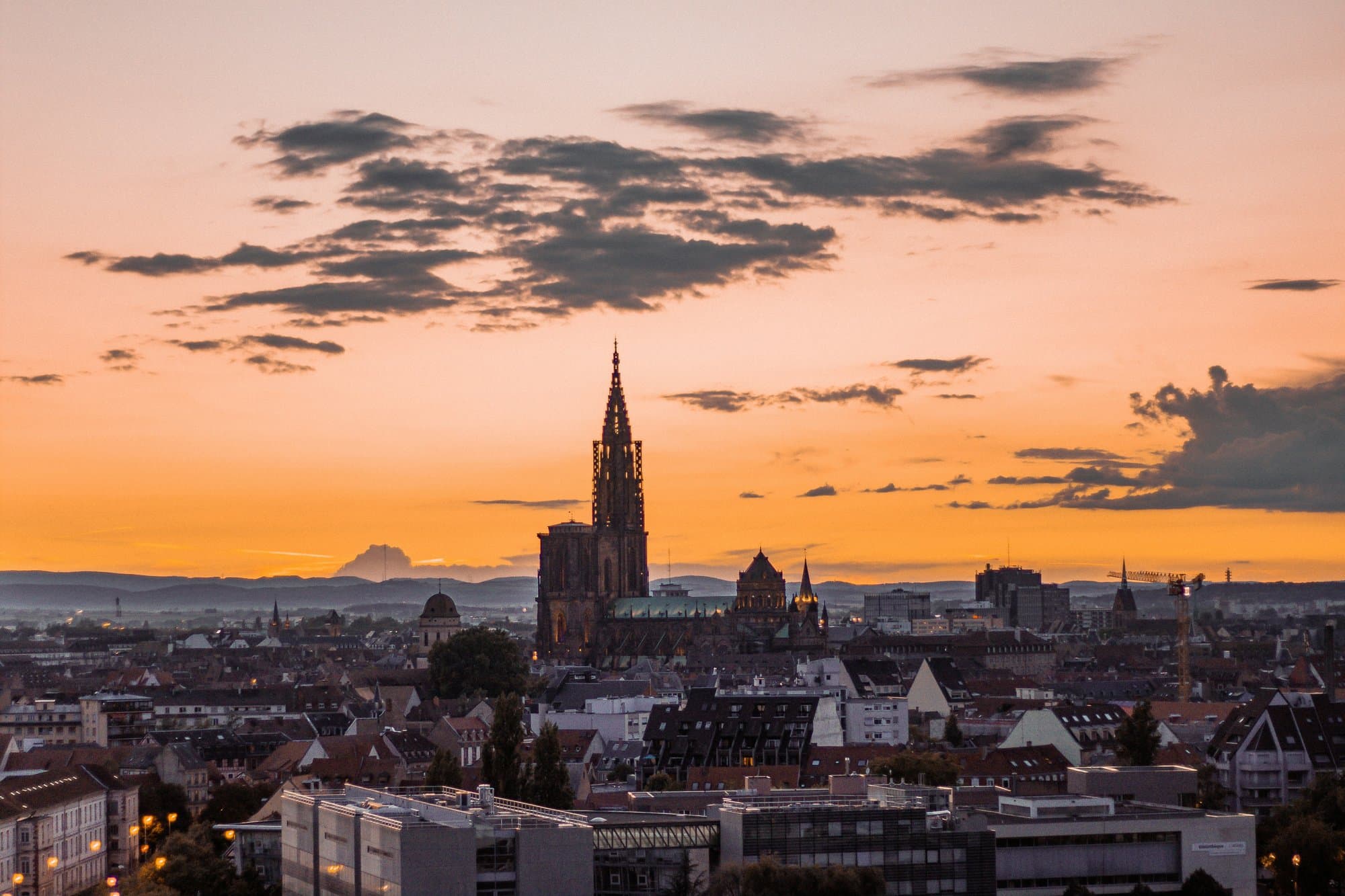
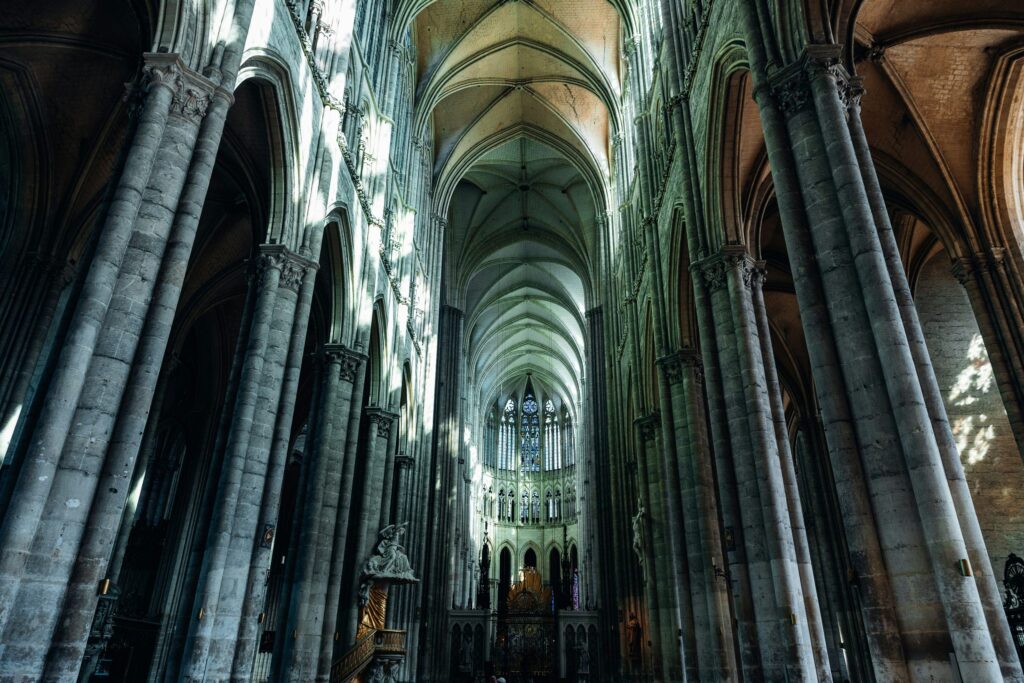
| Sacred art and cathedrals | Paris, Chartres, Reims, Amiens | Mixed groups, cultural travelers |
| A retreat in one place | An abbey-hotel or a quiet estate | Pastors, leadership teams |
For the first two, start from our Protestant Reformation itineraries. For the next two, read our guide to Catholic group tours in France.
Step 3: Set a rhythm the group can keep
Most mistakes in a Christian group program come from an excess of good ideas. A few rules keep a trip breathable.
Allow eight to fifteen days. Shorter trips turn into a race. Longer ones need a real day of rest in the middle.
One major stage per day, and two or three regions in all. France is larger than it looks on a map.
Keep the first day light. Most American groups fly overnight and land in the morning. New York is six hours behind Paris and Los Angeles nine, and rooms are rarely ready before mid-afternoon.
Protect Sunday. Decide where the group will worship or attend Mass, then build the calendar around that city.
Check every closing day. Museums close on different days, and a beautiful plan can collapse on a Tuesday.
Step 4: Decide the level of service for your group trip
This is where a premium journey separates from a classic one. Here is what we put in place for demanding groups.
This is where a premium journey separates from a classic one. The main decisions concern hotels of four or five stars, chosen for their location, licensed guides who know Christian history, a tour leader for the whole trip, and first-class train travel with luggage sent separately.
In many French monuments, only guides holding the official card can lead a group inside. Our guide to group tour logistics in France explains these rules in detail.
Some groups add options one by one, such as a private dinner cruise or a videographer for a signature film. They should be listed separately so that your client can choose.

Step 5: Work with a partner on the ground in France
A receptive agency, or DMC, turns the program into a real journey. It knows which hotel can take 30 people on a Sunday, how long a coach needs in the Cévennes and who to call at a shrine.
To see what a good partner should bring, read what agencies expect from a Christian travel DMC. In our case, you receive a personalized itinerary in white label with a quote by group size, in the same logic as our white-label pilgrimage tours.
| Task | Your agency | EXOD Agency |
|---|---|---|
| Relationship with the client | Yes | No |
| Marketing and sale of the trip | Yes | White-label brochure supplied |
| International flights | Yes | No |
| Design of the itinerary | Together | Together |
| Hotels, coaches, trains, restaurants | No | Yes |
| Guides, tour leader, lecture rooms | No | Yes |
| Site reservations, Masses, local churches | No | Yes |
| On-site problem solving | Informed | Yes |
Entry to France and passports: practical points for agencies in the Americas
Check every passport. In a US church group, some travelers may hold another nationality with different rules. This matters particularly for Spanish-speaking congregations.
Entry to France. US citizens can stay in the Schengen area for up to 90 days in any 180-day period without a visa. The US State Department asks for a passport valid at least three months after leaving the Schengen area and recommends six.
At the border. The EU’s Entry/Exit System records fingerprints and a facial image at the first crossing, so allow extra time on arrival. The ETIAS travel authorization was not yet in operation when this guide was updated. We check the rules before each departure.
Where groups come from. Our main market is the United States, followed by Canada. Groups from Australia, Brazil and Asia face very long flights, which makes a slower first two days essential.
Grand Tour of the Shrines of France · 14 days · our signature tour, the greatest shrines of France.
The Protestant Reformation in France · 15 days · the story of French Protestants and freedom of conscience.
Normandy, Land of Faith and Freedom · 10 days · a thousand years of faith and the memory of D-Day.
For the level of service, discover our exceptional addresses: Hotels, Gastronomy and Art of Living.
For travel agencies: preparing a demanding group
Group size. From 10 travelers, with 25 to 35 as the most comfortable size.
Best seasons. April to June and September to October. August is hot and crowded, and major religious feasts fill hotels near the shrines.
Timing. Start twelve to eighteen months ahead for the widest choice of hotels.
Accommodation. Four-star hotels as standard, five-star on request, with well-placed city-center addresses.
Options. A private dinner cruise, a videographer, luggage carried to the rooms, a regional gift on arrival, all chosen one by one.
What we take care of. The whole ground program, from airport arrival to departure, with a tour leader who accompanies the group from start to finish.
Frequently asked questions on organizing a Christian trip to France
How long should a Christian group trip to France last?
Eight to fifteen days. Below that, the group has to choose one region.
What is the right group size?
From 10 travelers, and ideally 25 to 35.
What budget should we expect?
As a guide, the ground program starts at around €2,500 per person for a simple journey, excluding international flights. A long premium journey often exceeds €5,000 per person.
How far ahead should we start?
Twelve to eighteen months is comfortable. Shorter timelines are possible but limit the choice of hotels.
Can the group’s own pastor or priest lead spiritual moments?
Yes. We arrange rooms, chapels and timing, and the group keeps full freedom over its content.