
When people think of Christian France, they picture Catholic cathedrals and medieval abbeys. Yet France also holds one of the great stories of Protestant Europe: John Calvin was born here, the Huguenots lived and died here, and an underground church kept the faith here for a century.
For agencies serving Protestant and Evangelical groups, this is a rare product. Few operators build it, and the groups who want it are demanding and well read.
This guide speaks first to travel agencies and tour operators. It presents the regions of a Reformation tour in France, what each one offers, how long to allow and how to link them into itineraries of 8, 11 or 13 days.
This article is part of our complete guide to Protestant and evangelical tours in France.
Why France for a Protestant Heritage Tour?
Germany has Luther and Switzerland has Geneva. France has something different: the history of a persecuted minority.
From the first reformers of Meaux to the Revocation of the Edict of Nantes in 1685, and from the Desert to the rescue of Jews at Le Chambon-sur-Lignon, the story has a dramatic arc that speaks strongly to American travelers.
Many of them also have a personal link. The Huguenots who fled France reached Massachusetts, New York, Pennsylvania, Virginia and South Carolina, and Huguenot descendants in the United States still keep that memory alive through their societies.
An American tour operator recently told us it had seen very few tours of Protestant France. That gap is the opportunity.
Noyon and Paris: Calvin and the Early Reformers
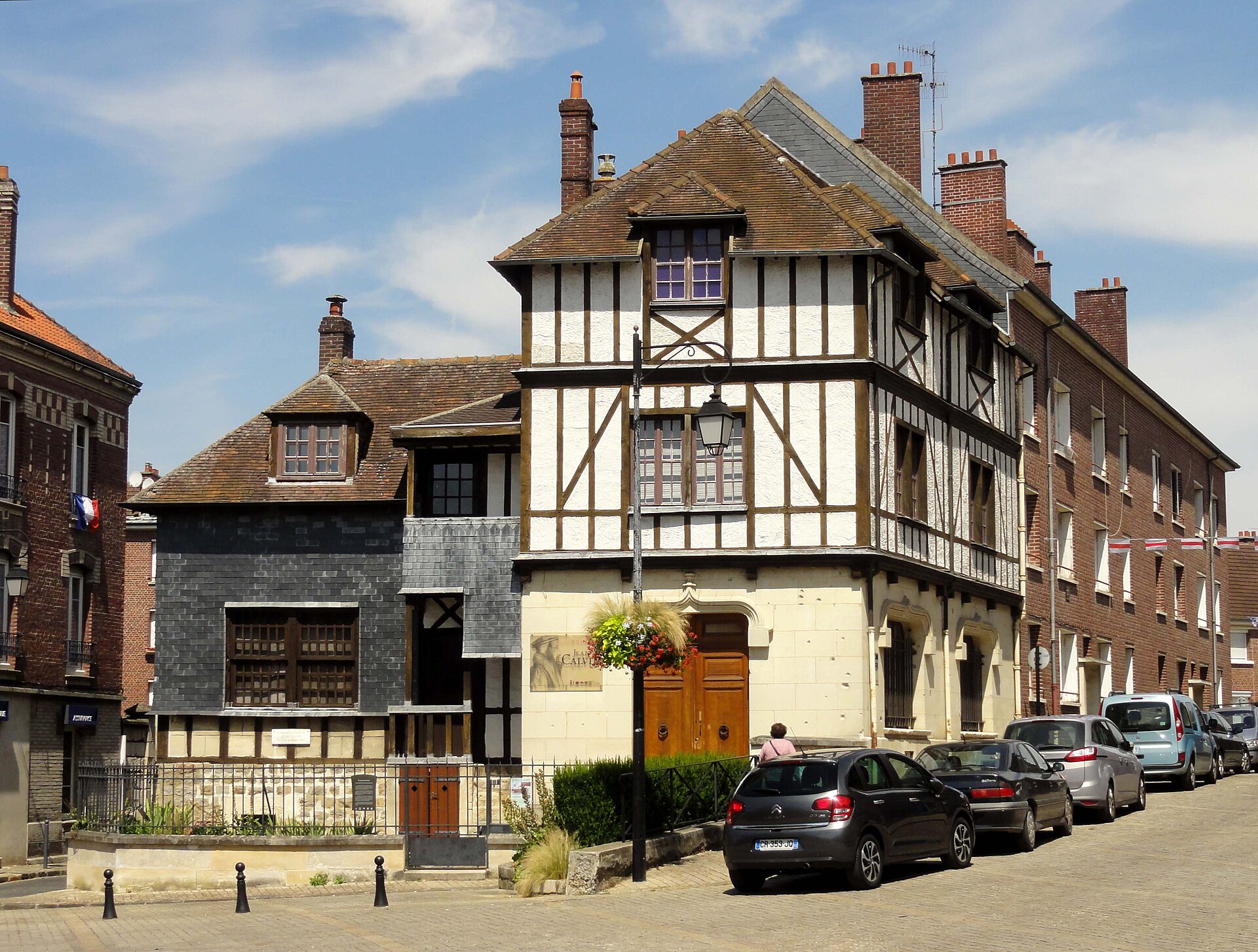
The story begins north of Paris. Noyon is the birthplace of John Calvin. The Musée Jean Calvin stands on the site of his birthplace, in a building erected between 1927 and 1930.
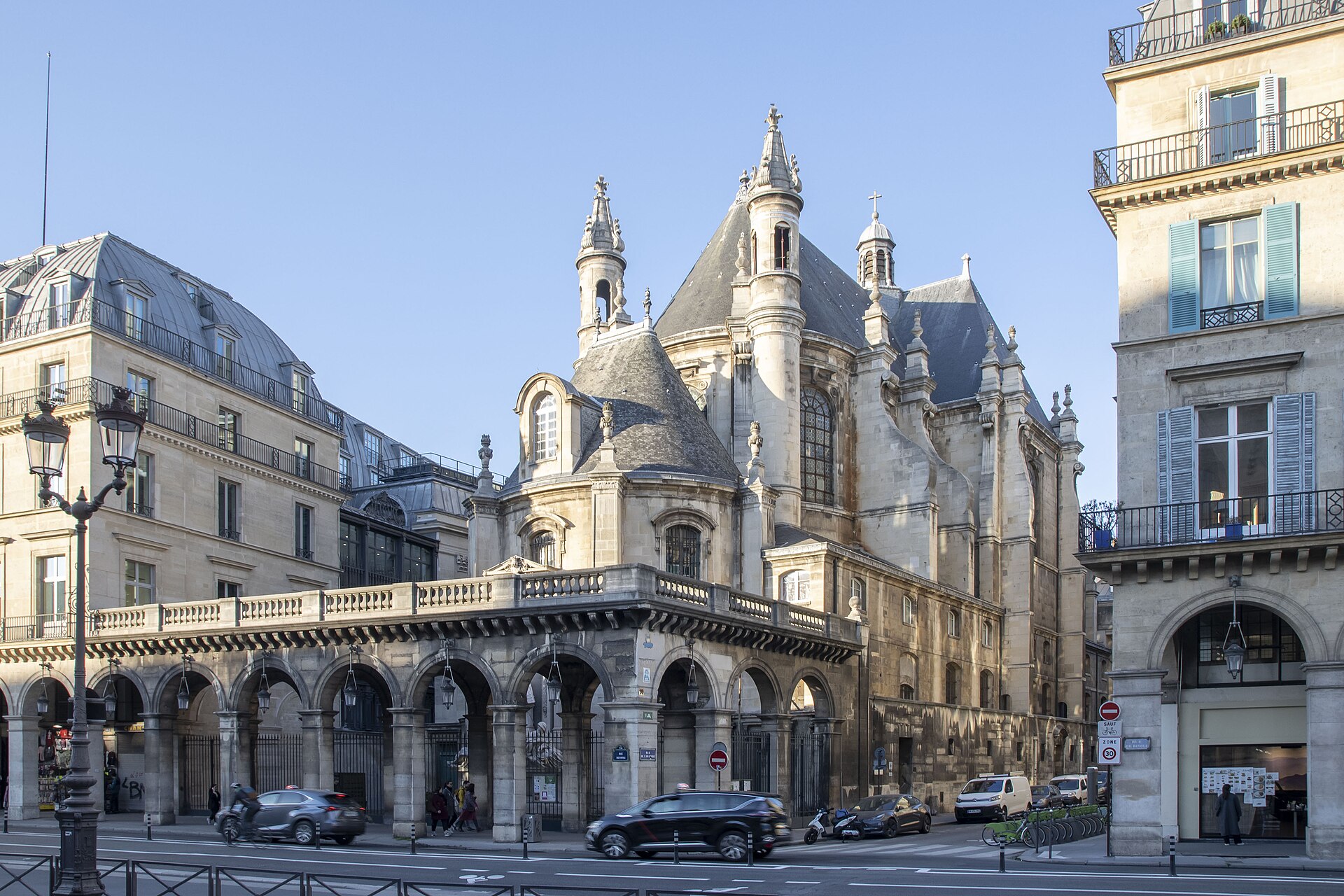
Paris carries the memory of the Saint Bartholomew’s Day massacre of 1572, of Admiral de Coligny and of a Protestant community that survived it. The Oratoire du Louvre and the Temple du Marais are the natural stops. Nearby, Meaux was the seat of the first French reform movement.
For a group. Noyon is a half-day from Paris. Allow two days for Protestant Paris. Our article on Protestant Paris gives the details.
Strasbourg and Alsace: The Heart of the Rhineland Reformation
Strasbourg became a center of the Reformation in the 1520s. At Saint Thomas Church, the main Lutheran church of the city, Martin Bucer served as pastor from 1531 to 1540. Calvin himself spent three years in Strasbourg before returning to Geneva.
The church also holds the Silbermann organ of 1741, played by Mozart and later by Albert Schweitzer.
For a group. Allow two days. Strasbourg is under two hours from Paris by high-speed train, and it opens naturally onto Basel and Geneva.
The Cévennes: Mountains of Resistance and Faith
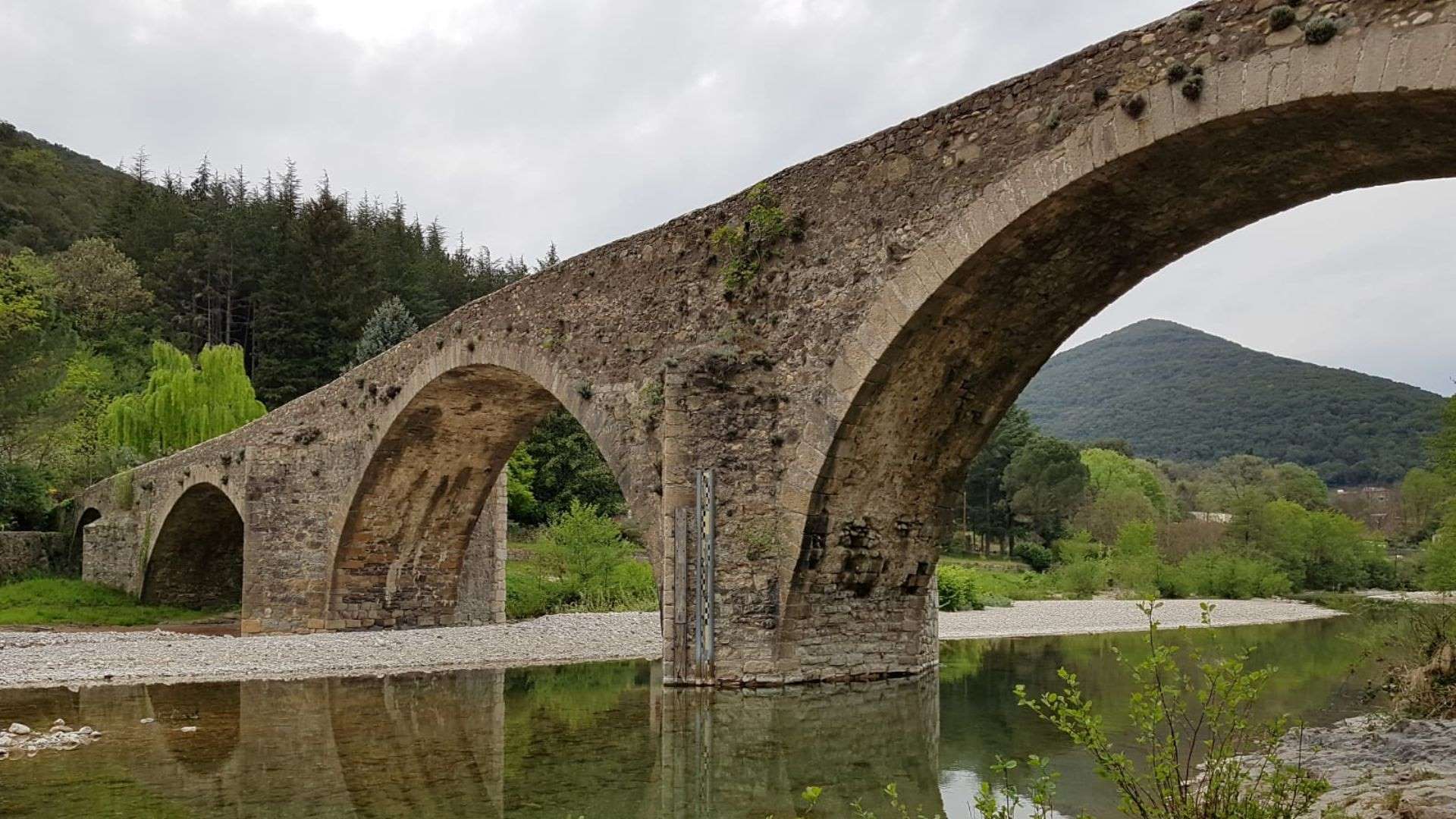
No Protestant itinerary in France is complete without the Cévennes. After the Revocation of 1685, Protestant worship was outlawed and believers gathered in secret, in what they called the Desert.
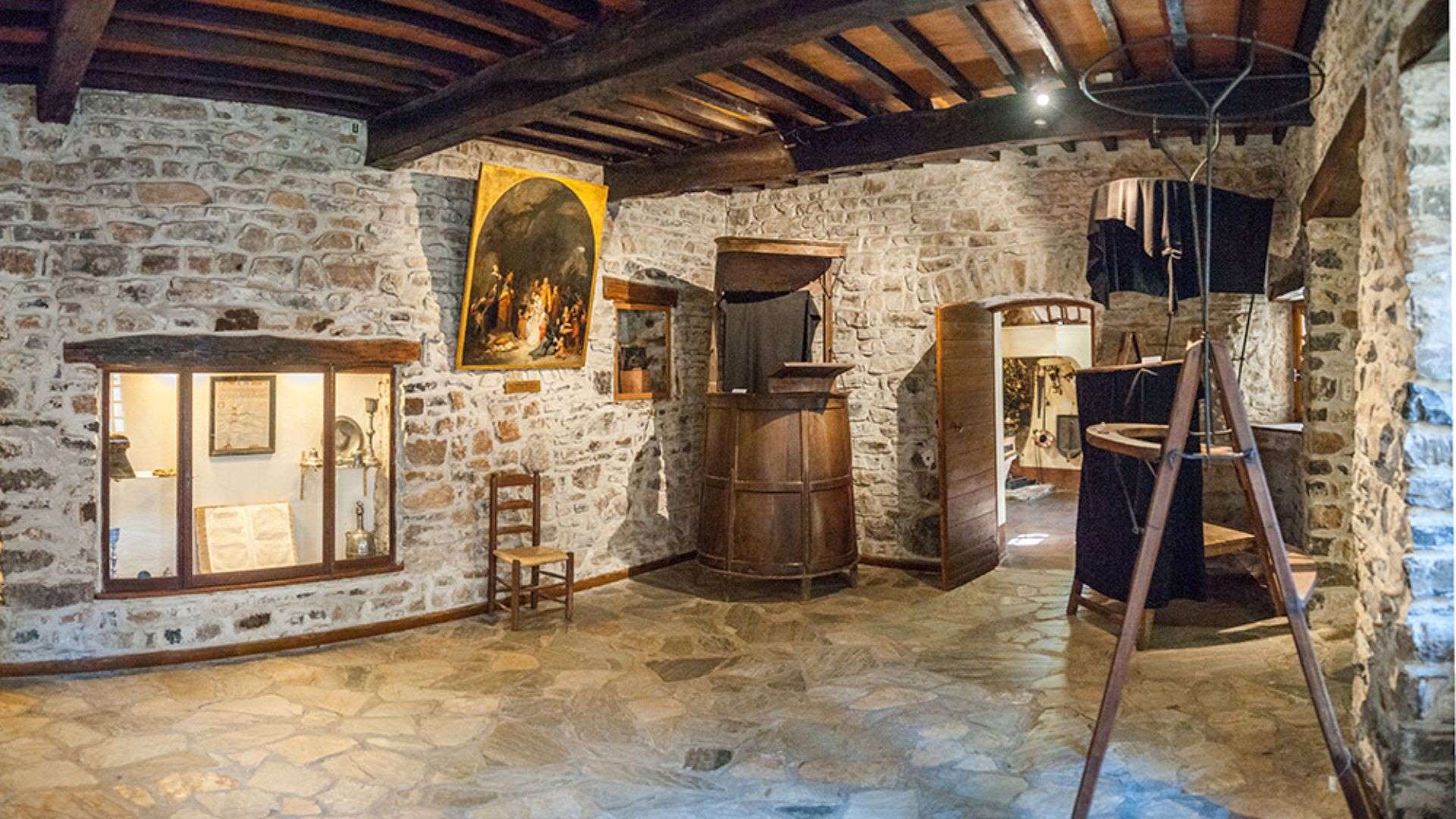
The Musée du Désert, at Mas Soubeyran in Mialet, tells this story in the birthplace of the Camisard leader Rolland. Each year on the first Sunday of September, thousands of Protestants gather there for the Assemblée du Désert.
For a group. Allow one full day from Nîmes or Uzès. The roads are narrow, so the coach and the timing need checking in advance. A group visit is arranged directly with the museum, and in winter it opens by reservation only.
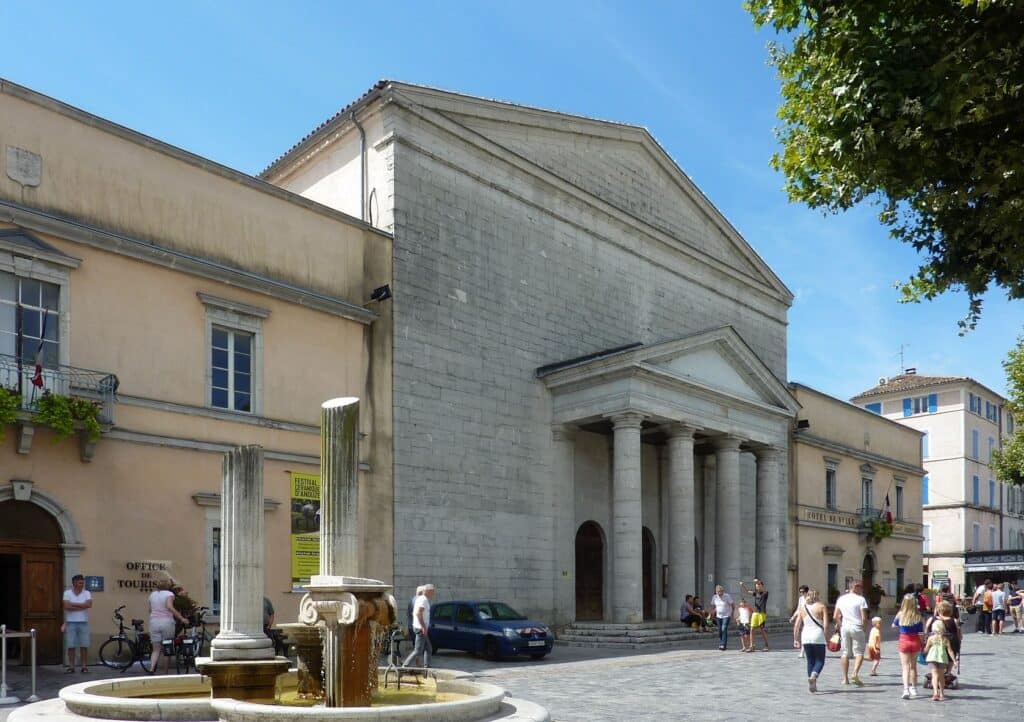
Nîmes and Aigues-Mortes: the Protestant South and the Tower of Constance
Nîmes has been a Protestant stronghold since the sixteenth century, and its Grand Temple remains a major landmark.
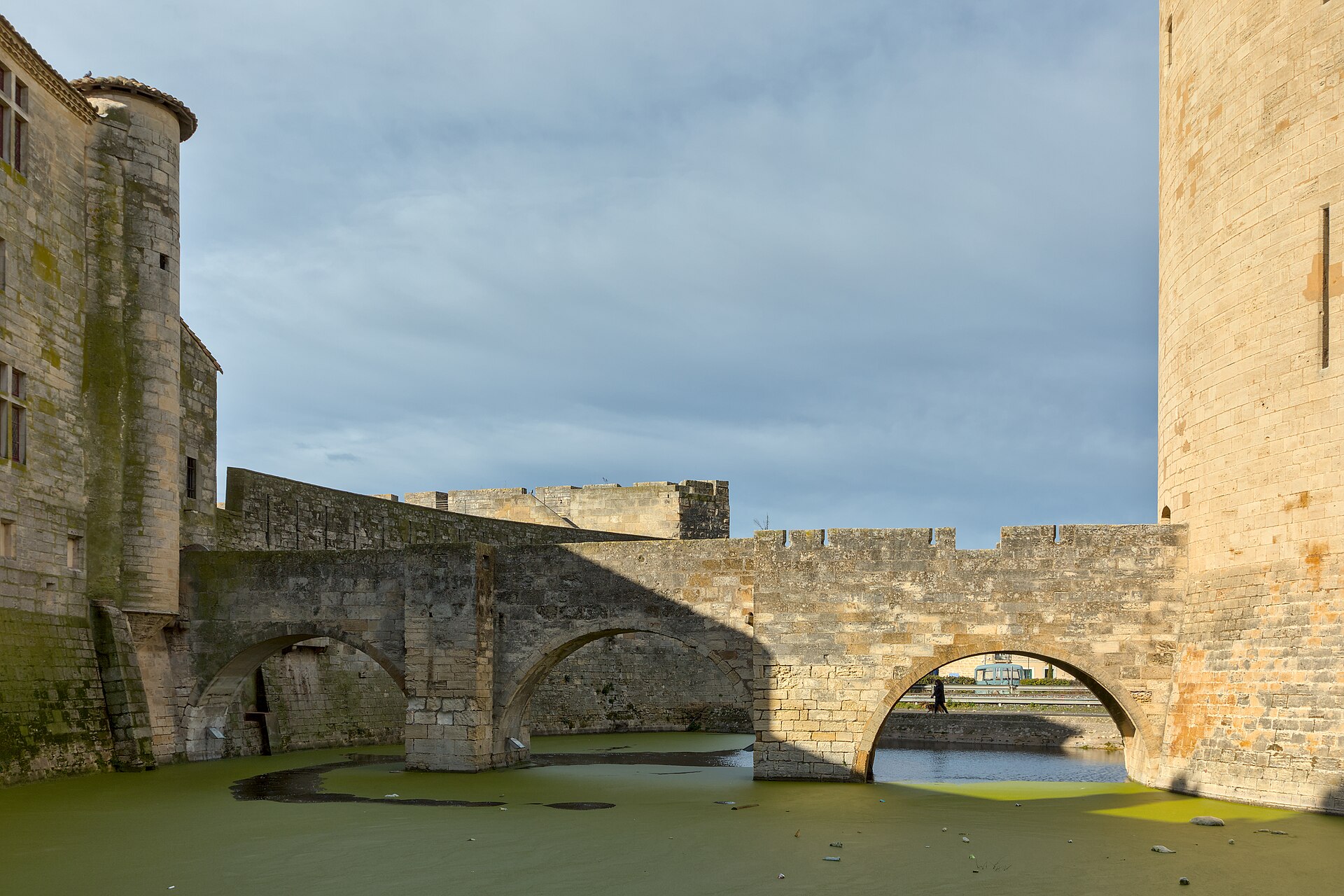
Less than an hour away, the Tower of Constance in Aigues-Mortes is one of the most moving places of the whole story. Marie Durand was held there for 38 years for refusing to renounce her faith, and she was released in 1768. The word “Résister” carved into the stone is attributed to her.
Montpellier, home to one of the two faculties of the Institut Protestant de Théologie, completes this stage.
For a group. Nîmes makes an excellent base for three nights. The Tower of Constance has coach parking and group visits on request.
La Rochelle and the Atlantic: Refuge and Exile
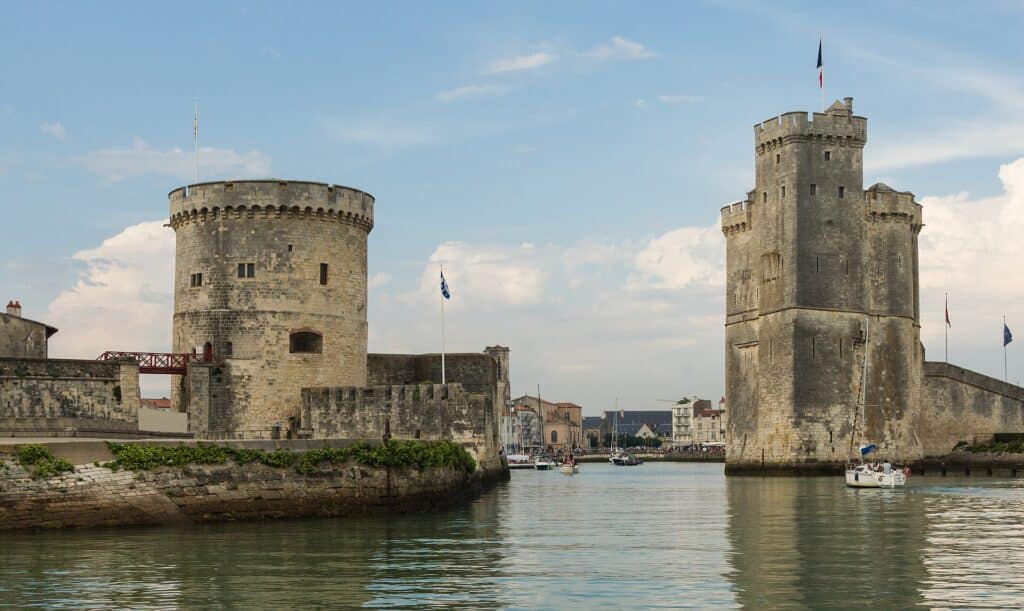
La Rochelle was a Protestant stronghold until the siege of 1627-1628. Its small museum of Protestant history is reached through the temple, and the port tells the rest: many refugees left by the Atlantic for England, the Netherlands and the Americas.
Bordeaux, two hours to the south, gives a fine urban stop, with excellent hotels and the vineyards of Sauternes and the Médoc for a day of rest.
For a group. Allow two days. Opening hours at the museum are limited, so we confirm them for each date. This stage is the most personal for descendants of Huguenots.
Lyon, Le Chambon-sur-Lignon and Geneva: memory and culmination
Lyon gives the deep background: the Antiquaille Museum tells the story of the first Christians of Gaul.
Le Chambon-sur-Lignon, on the Vivarais-Lignon plateau, tells another: during the Second World War, its Protestant villagers sheltered Jews at the risk of their lives. The Lieu de Mémoire receives groups by appointment all year round.
Geneva is a short step across the border. The Reformation Wall, Saint Pierre Cathedral, the Auditoire de Calvin and the International Museum of the Reformation make it the natural climax of a Calvin tour. Plan to be there on a Sunday, so that the group can attend worship at the Auditoire.
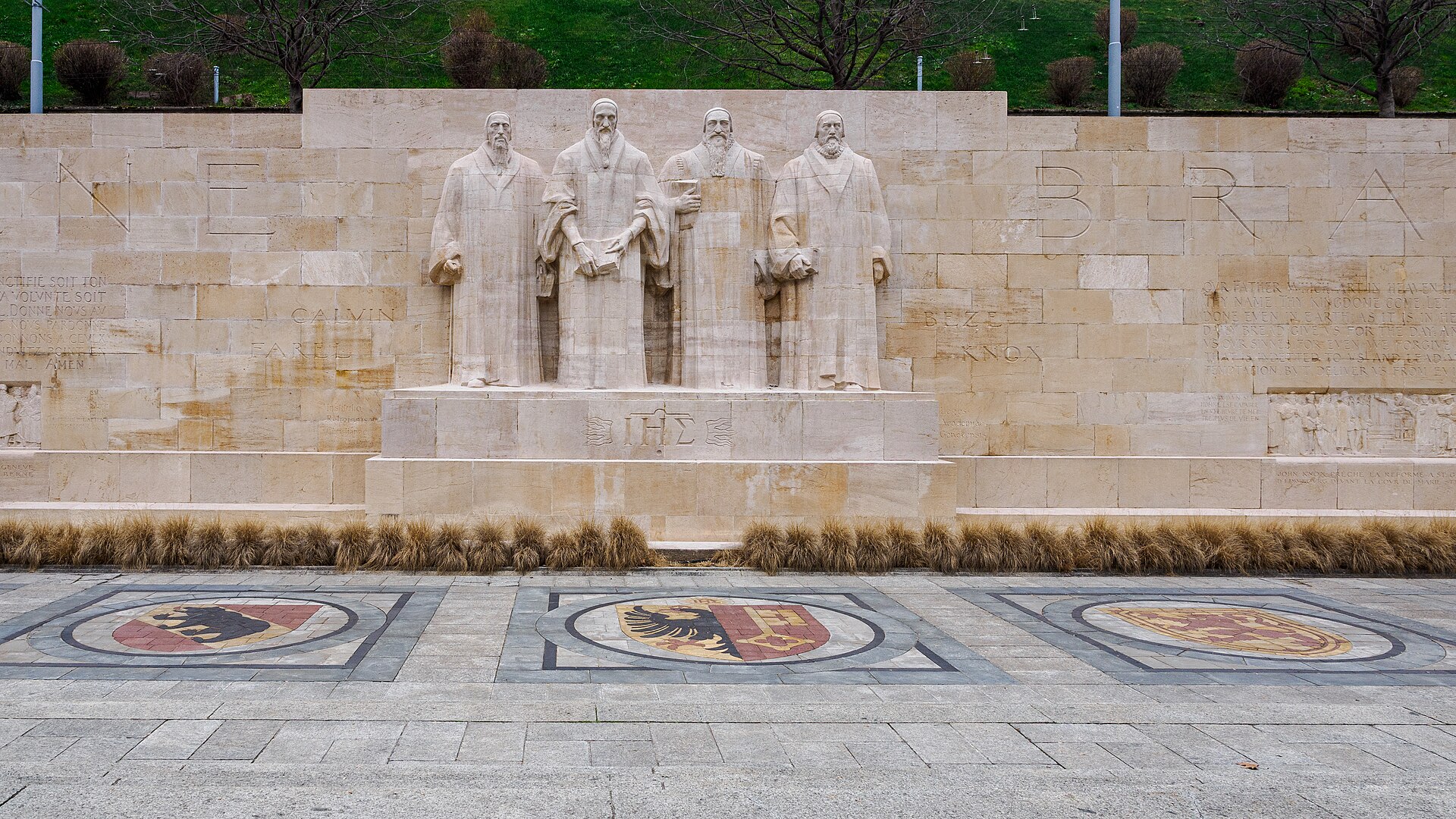
The regions of a Protestant tour of France at a glance
| Region | Key sites | Time | Good base |
|---|---|---|---|
| Noyon and Paris | Musée Jean Calvin, Oratoire du Louvre, Temple du Marais | 2 to 3 days | Paris |
| Strasbourg and Alsace | Saint Thomas Church, old city | 2 days | Strasbourg |
| Cévennes | Musée du Désert, Mialet, Anduze | 1 day | Nîmes or Uzès |
| Nîmes and Languedoc | Grand Temple, Tower of Constance, Montpellier | 2 days | Nîmes |
| La Rochelle and Atlantic | Protestant museum, temple, port | 2 days | La Rochelle or Bordeaux |
| Lyon and the plateau | Antiquaille, Le Chambon-sur-Lignon | 2 days | Lyon |
| Geneva | Reformation Wall, Auditoire, Reformation Museum | 1 to 2 days | Geneva |
Three Protestant spiritual itineraries in France to start from
| Length | Route | Storyline |
|---|---|---|
| 8 days | Paris, Noyon, Nîmes, Cévennes, Aigues-Mortes | From Calvin to the Desert |
| 13 days | Paris, Saumur, La Rochelle, Bordeaux, Toulouse | The Huguenot story |
| 11 days | Paris, Noyon, Strasbourg, Geneva, Lyon, Le Chambon-sur-Lignon, Nîmes, Montpellier | Calvin and French Calvinism |
These are starting points. Each program is designed with the agency, around the group and its leader.
What an American evangelical group expects from France
Above all, a real discovery of history. These groups read, they ask questions, and they often travel with a teacher or a scholar. The local guide and the group’s own speaker can lead the visits together, the guide for the place and the speaker for the theology.
On Sundays, they want to worship with a local church. Time for praise, a meeting with French pastors or with a Christian author, and lecture rooms along the route complete the program. Our article on custom evangelical travel in France goes further.
The Protestant Reformation in France · 15 days · the story of French Protestants and freedom of conscience.
In the Footsteps of John Calvin · 11 days · the life of the reformer, from Noyon to Geneva.
The Huguenot Legacy · 13 days · the towns where the Huguenots lived and held firm.
Lands of the Reformation in Alsace · 13 days · the Reformation in Alsace and Lorraine.
For the level of service, discover our exceptional addresses: Hotels, Gastronomy and Art of Living.
For travel agencies: building a premium Reformation tour
This is a tour you cannot copy from a catalogue. Museums close on different days, Sunday has to fall in the right city, and some days combine long transfers with visits. We review every itinerary day by day and build in alternatives.
The level of service is the same as for any premium journey: four- and five-star hotels chosen for their location, carefully selected restaurants, a high-speed train in first class with separate luggage transfer where it makes sense, audio headsets, a tour leader who speaks the group’s language and accompanies the group from start to finish, and pricing by group size.
Everything can be sold under your own brand, with a white-label brochure.
Start from our Protestant Reformation in France tour, or read our page on Protestant and Evangelical group programs.
Frequently asked questions about Protestant itineraries in France
How long should a Protestant heritage tour of France last?
Eight to fifteen days. Below that, a group has to choose one region.
Is this type of tour suitable for all Protestant denominations?
Yes. Reformed, Lutheran, Baptist, Evangelical and Pentecostal groups all find their story here, and the emphasis of the program is adapted to each one.
Can the group’s own pastor or scholar teach during the tour?
Yes, and we recommend it. We can reserve lecture rooms and organize visits led jointly with a local guide.
Do the travelers need to speak French?
No. Guides and tour leaders speak the group’s language: English, Spanish, Portuguese, Italian, German, Dutch, Indonesian, Vietnamese, Korean or Chinese (mainly in major cities).
Can the tour include Switzerland?
Yes. Geneva and Basel fit naturally into a Calvin tour.