
Christian travel Cévennes Protestant heritage
Nestled in the mountains of southern France, the Cévennes are more than just a scenic destination: they are a sacred landscape of resistance, faith, and endurance.
This rugged region became a spiritual refuge during centuries of persecution, anchoring one of the most powerful expressions of European Protestantism.
For pastors, Christian educators, and church groups seeking to connect with the roots of the Reformation, the Cévennes are not just historical: they are spiritually formative.
Why the Cévennes Matter to the Protestant Story
Nestled in the mountains of southern France, the Cévennes are more than just a scenic destination: they are a sacred landscape of resistance, faith, and endurance.
This rugged region became a spiritual refuge during centuries of persecution, anchoring one of the most powerful expressions of European Protestantism.
For pastors, Christian educators, and church groups seeking to connect with the roots of the Reformation, the Cévennes are not just historical: they are spiritually formative.
The “Desert” Years: Clandestine Worship and Faith Under Fire After the Revocation of the Edict of Nantes in 1685, public worship was forbidden for Protestants in France.
The Cévennes offered shelter and secrecy to believers who refused to renounce their faith.
This era became known as “the Desert“, echoing the biblical wilderness: a place of testing, perseverance, and divine encounter.
Underground gatherings were held in caves, forests, and attics. Prayer, Scripture, and oral teaching were preserved in whispers, not sermons.
The Camisards: Armed Protestant Resistance with Prophetic Conviction
Between 1702 and 1704, a group of Cévenol Protestants known as the Camisards took up arms against the army of King Louis XIV.
Their guerrilla resistance was rooted in deep, often prophetic, faith, and a bold demand for religious freedom.
Though brutally repressed, their legacy remains a symbol of spiritual courage and theological conviction.
The Desert Museum in Mialet: A Memorial to Enduring Faith
Located in the birthplace of Camisard leader Pierre Laporte, the Musée du Désert preserves artifacts, writings, and personal testimonies from this era of persecution.
Every year, thousands, including international evangelical delegations, attend the Desert Gathering, a moment of prayer, remembrance, and renewed commitment.
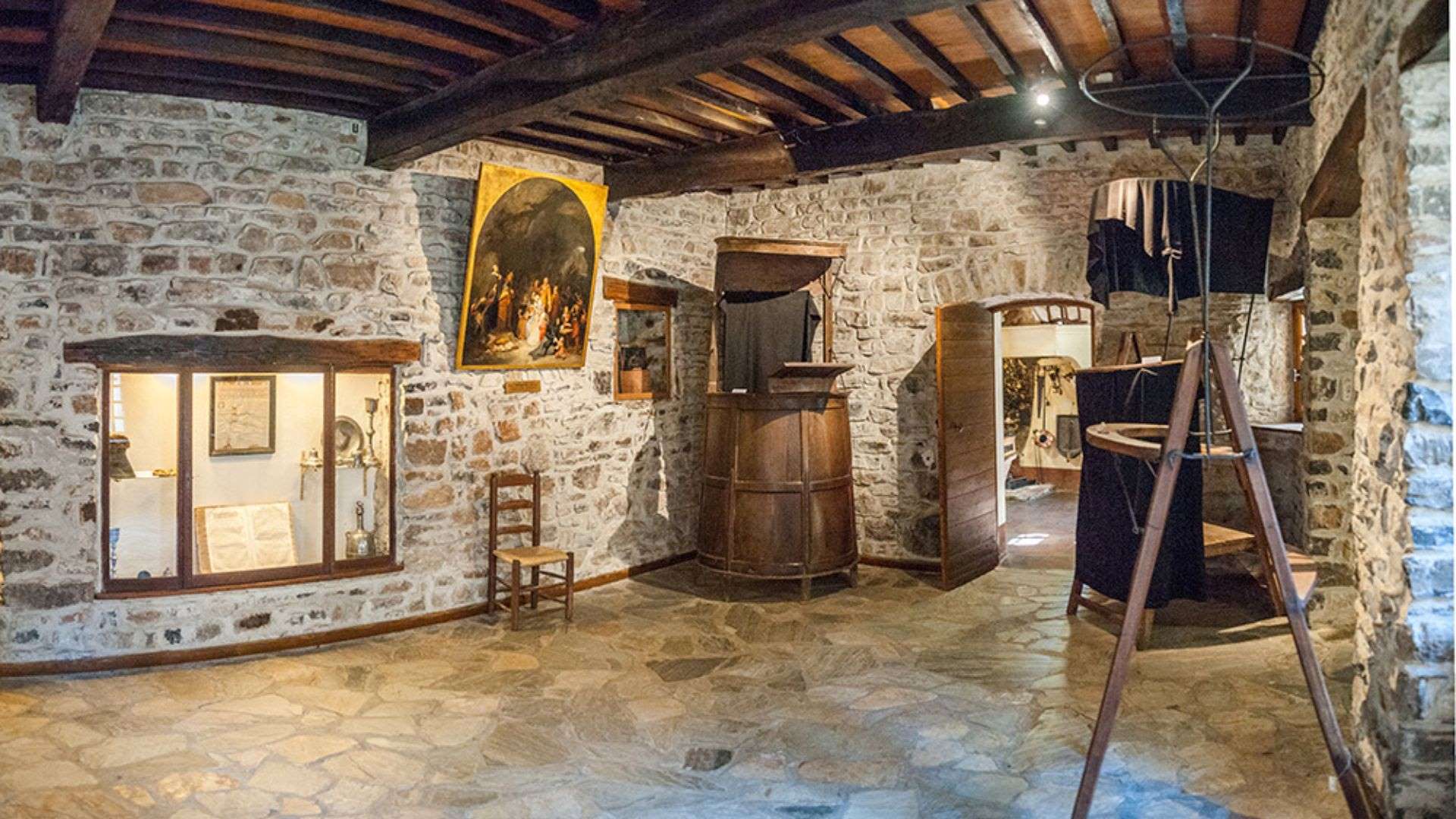
The Desert Museum
Why This Place Still Speaks to Christians Today
The Cévennes are not just about the past. They inspire today’s believers with a living witness:
- The Gospel was preserved here without buildings, recognition, or legal freedom
- Faith was transmitted through suffering, loyalty, and community
- The message is clear: faithfulness is not tied to circumstance, but to conviction
This story challenges today’s pastors and churches to stand firm in Christ, even in uncertain times.
Conclusion: Make the Cévennes Part of Your Protestant Heritage Tour
For evangelical churches, the Cévennes are a must-visit spiritual landmark.
Whether you’re organizing a prayer retreat, theological training, or heritage pilgrimage, this region offers:
- Historical depth
- Spiritual atmosphere
- A call to faithful remembrance
EXOD Agency strongly recommends the Cévennes as a core destination on any Protestant-focused Christian journey through France.
The Camisards
FAQ: Why Include the Cévennes in Your Christian Group Travel?
Why are the Cévennes significant in Protestant history?
They were the primary refuge for persecuted believers after 1685 and the setting of clandestine worship and Camisard resistance.
Can we visit the key Protestant heritage sites there?
Yes. The Desert Museum in Mialet, ancient Camisard paths, reconstructed temples, and historic caves are open to visitors.
What’s the spiritual value of this visit?
It’s an opportunity to reconnect with the legacy of faithful suffering, reflect on Gospel perseverance, and deepen your group’s spiritual identity.
Can the Cévennes be part of a broader Christian heritage tour?
Absolutely. They connect seamlessly with other key Protestant sites in Nîmes, Strasbourg, Montauban, and more.